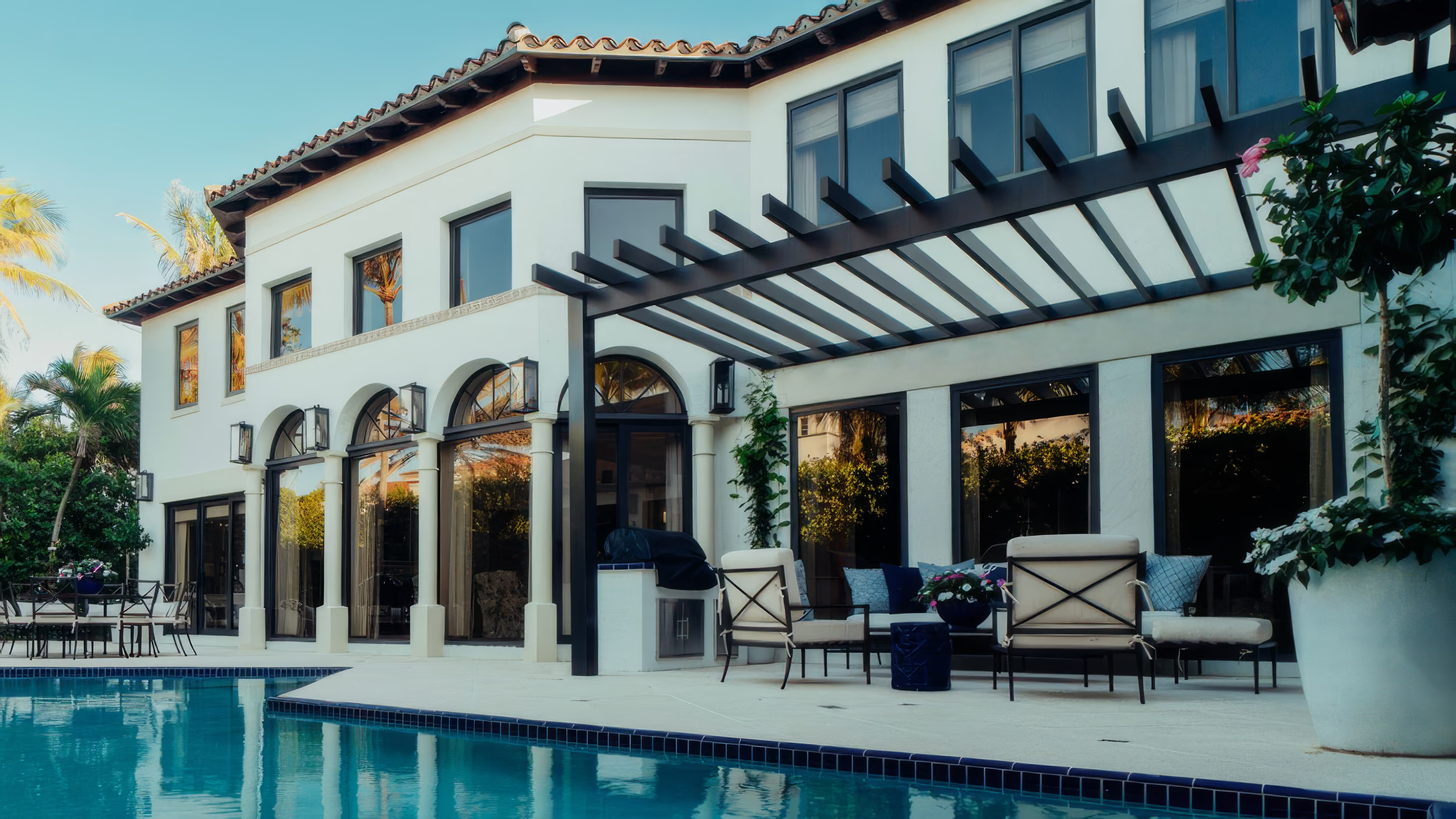
Restaurant Patio Design: Planning a Covered Patio That Pays Off
Design ideas for restaurant patios and a simple way to estimate what covered seating is worth to your business.
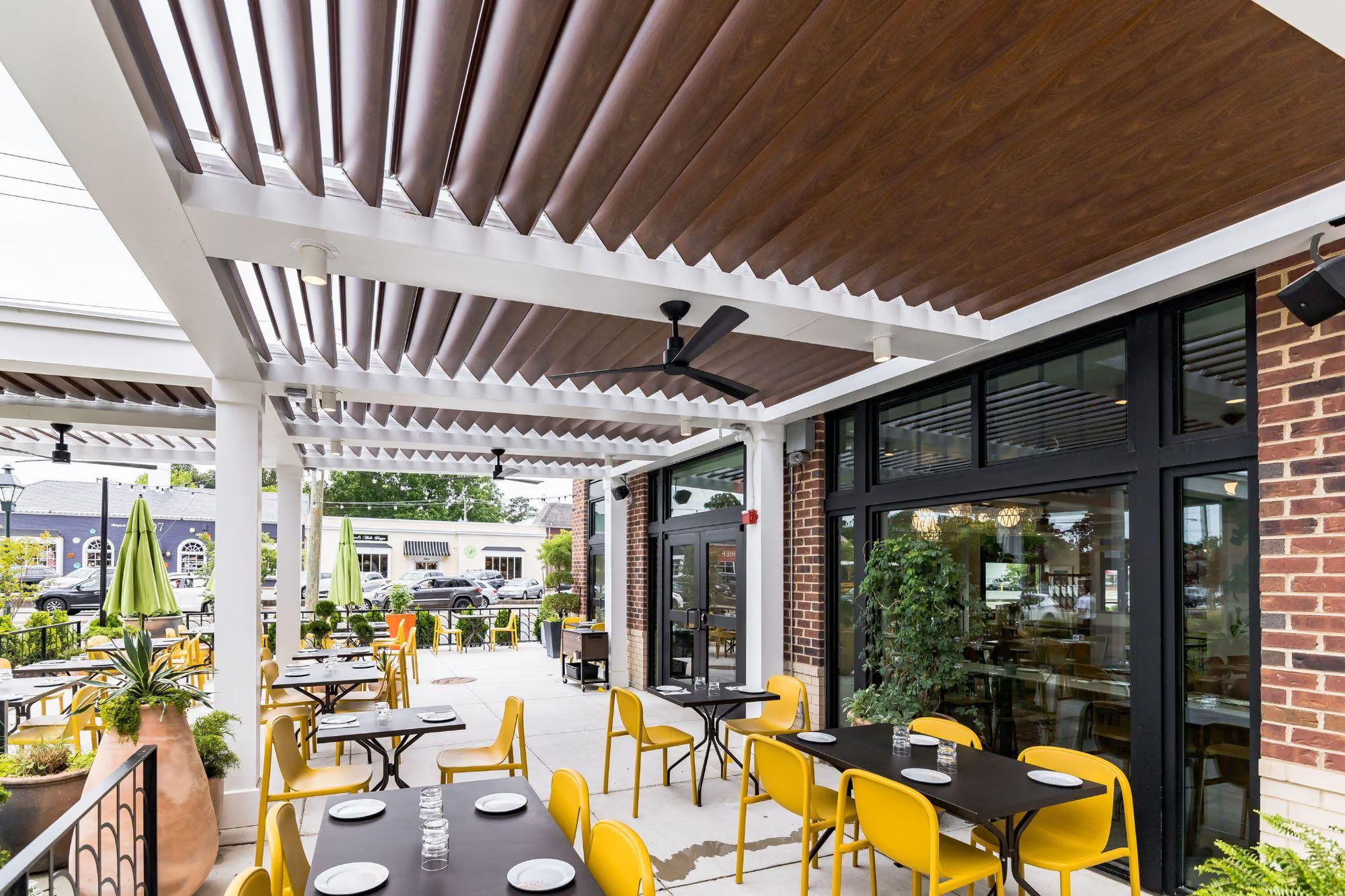
A good restaurant patio is not decoration; it is seating capacity. The question owners ask is not only how it will look, but how many more covers it will serve, and on how many days of the year.
Estimate What Covered Seats Are Worth
You do not need a consultant for a first estimate. Use your own numbers:
- Seats added or recovered by the covered area
- Your average check per guest
- Turns per service on the patio
- Days the patio is usable now, and days it would be usable covered
Seats × average check × turns × extra usable days gives a rough idea of the added revenue to compare against the project cost. In South Florida, the extra days usually come from rain and midday heat, which is exactly what a covered roof addresses.
Design Ideas That Add Usable Days
- A louvered roof that opens on mild evenings and closes for storms
- Fans for humid nights and heaters for the cool weeks of winter
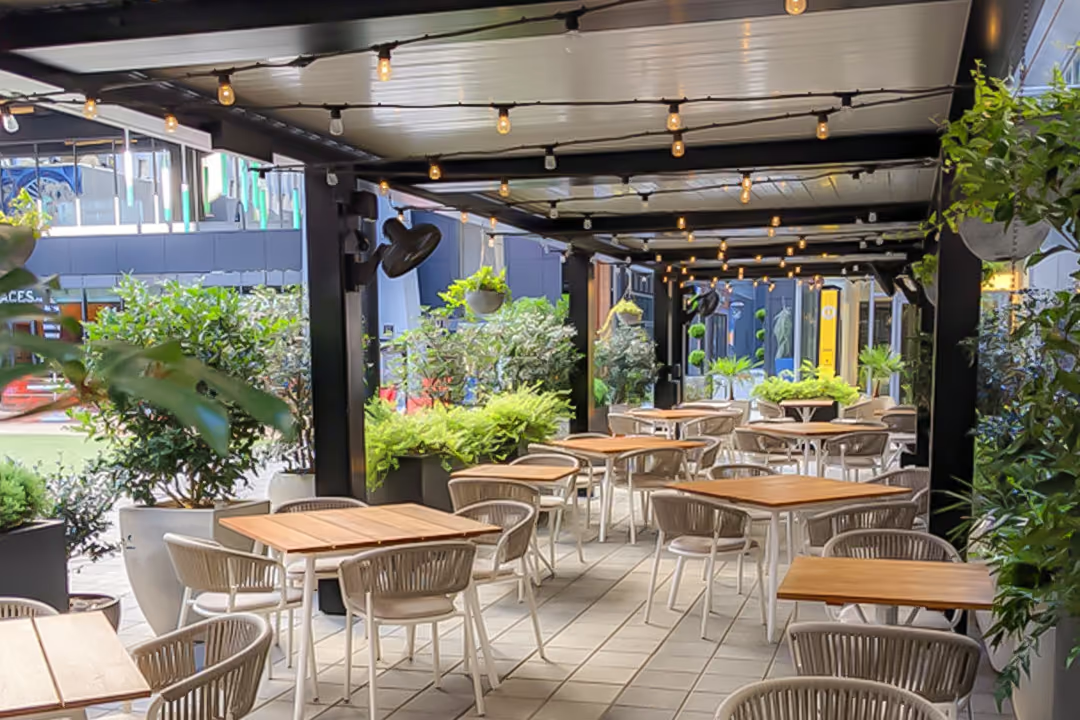
- Warm, dimmable lighting so the patio works for dinner, not only lunch
- Motorized screens on the side that takes low sun or wind
- Planters and privacy panels to separate diners from the street or parking
Layout Comes Before Structure
Start with the tables, service paths and the route from the kitchen, then place the posts where they do not block either. Leave room for heaters and fans to meet the manufacturer’s clearances, and decide where the roof drains before the slab is final.
Materials and Finishes
The structure is part of the dining room’s look. Dark frames read modern and disappear against the night sky; white frames feel lighter and brighter by day. Wood-look louvers add warmth without the upkeep of real wood. Choose furniture that handles sun and rain, and fabrics that dry fast, so the patio can turn over quickly after a shower.
Privacy, Noise and the Street
Many patios sit next to a sidewalk, a parking lot or a neighbor. Planters, slatted privacy panels and screens on that side make the space feel like part of the restaurant rather than part of the street. They also help with the light from passing cars at night. Check local rules before planning music or speakers outdoors.
Drainage and Floors
A covered roof collects rain and sends it down the posts. Decide where that water goes — a drain, a planter bed or the site’s storm system — before the floor is finished, and keep the slope of the patio running away from the building. It is much cheaper to plan a drain than to fix standing water under the tables later.
Frequently Asked Questions
Should we cover the whole patio or only part of it?
Covering only part can work when some guests prefer open sky, but in South Florida the uncovered tables are the first ones lost to rain and midday heat. Many restaurants cover the core seating and leave a small open area that can be used on mild days.
Can the patio be used for private events?
A covered patio with screens, lighting and heaters is one of the easiest spaces to rent for private events, because it can be closed off from the rest of the restaurant and used in most weather.
Key Takeaways
- Judge the patio by covers served and usable days, not only by looks
- Seats × check × turns × extra days is a useful first estimate
- Roof, comfort and lighting are what add usable days
Thinking about adding covered seating to your restaurant?
Work with a licensed and insured aluminum structure contractor serving Miami-Dade, Broward and Palm Beach County.
More on Commercial Projects
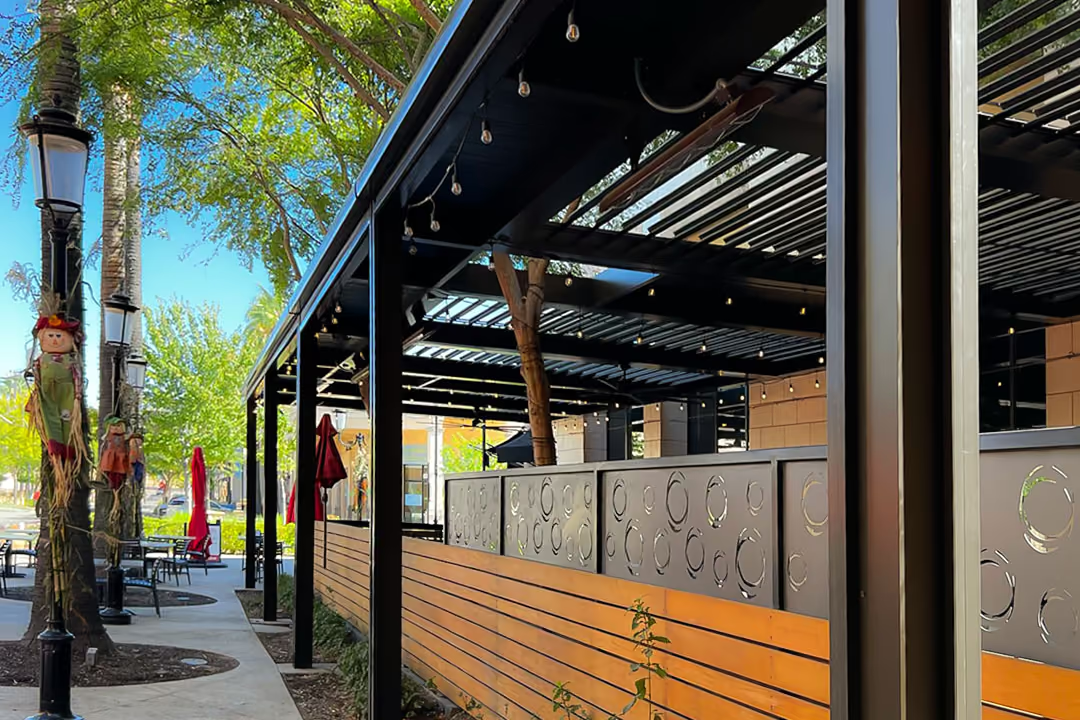
Commercial Awning vs. Louvered Pergola: Which Fits Your Business?
Fabric awnings and aluminum louvered pergolas compared for storefronts, restaurants and hotels.
Commercial Pergolas: A Buyer’s Guide for South Florida Businesses
How commercial pergolas differ from residential ones, which roof to choose and what to plan before the quote.
Commercial Pool Shade Structures for HOAs and Condos
How HOA and condo boards can plan durable shade for a shared pool deck, from options to approvals.