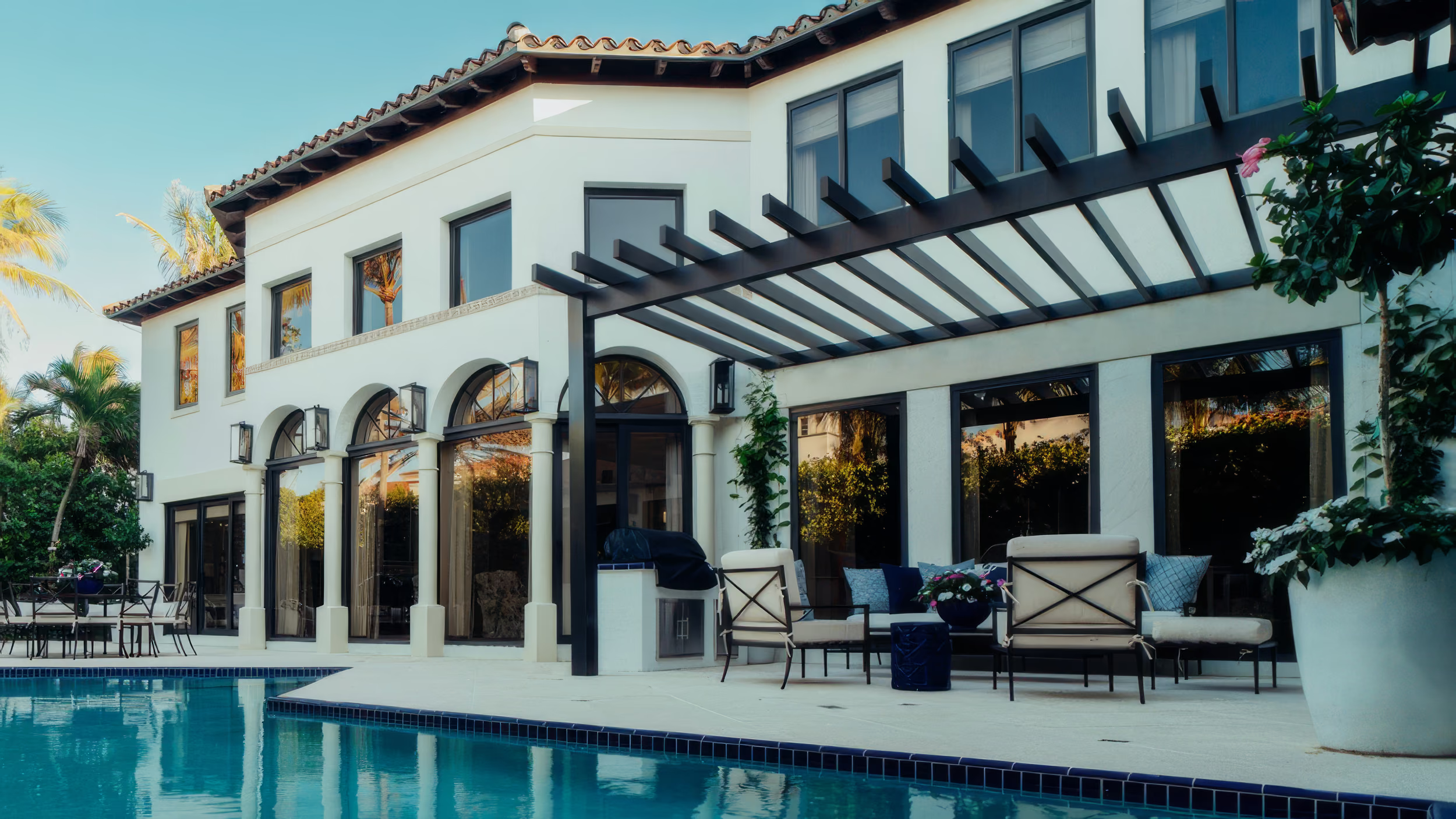
Hurricane-Resistant Pergolas in South Florida: What You Must Know
What makes a pergola truly hurricane-resistant in South Florida?
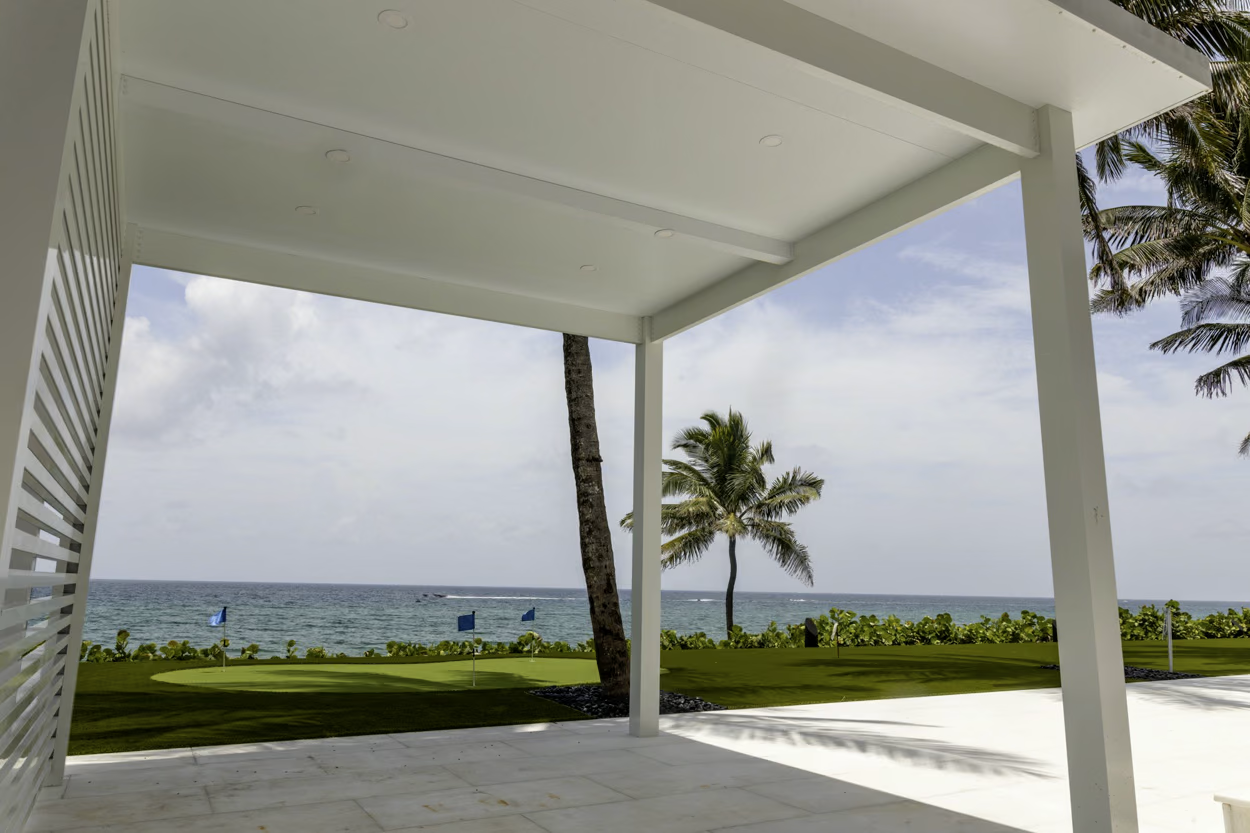
If your pergola can’t survive hurricane season, it’s not an asset — it’s a liability.
In South Florida, outdoor structures must endure extreme wind speeds, flying debris, heavy rain, and corrosive salt air. Yet many homeowners still install decorative pergolas that are never engineered for true storm conditions.
So what actually makes a pergola hurricane-resistant in South Florida?
Whether you live in Boca Raton, Fort Lauderdale, or Jupiter, here’s what you must know before investing in a luxury aluminum pergola.
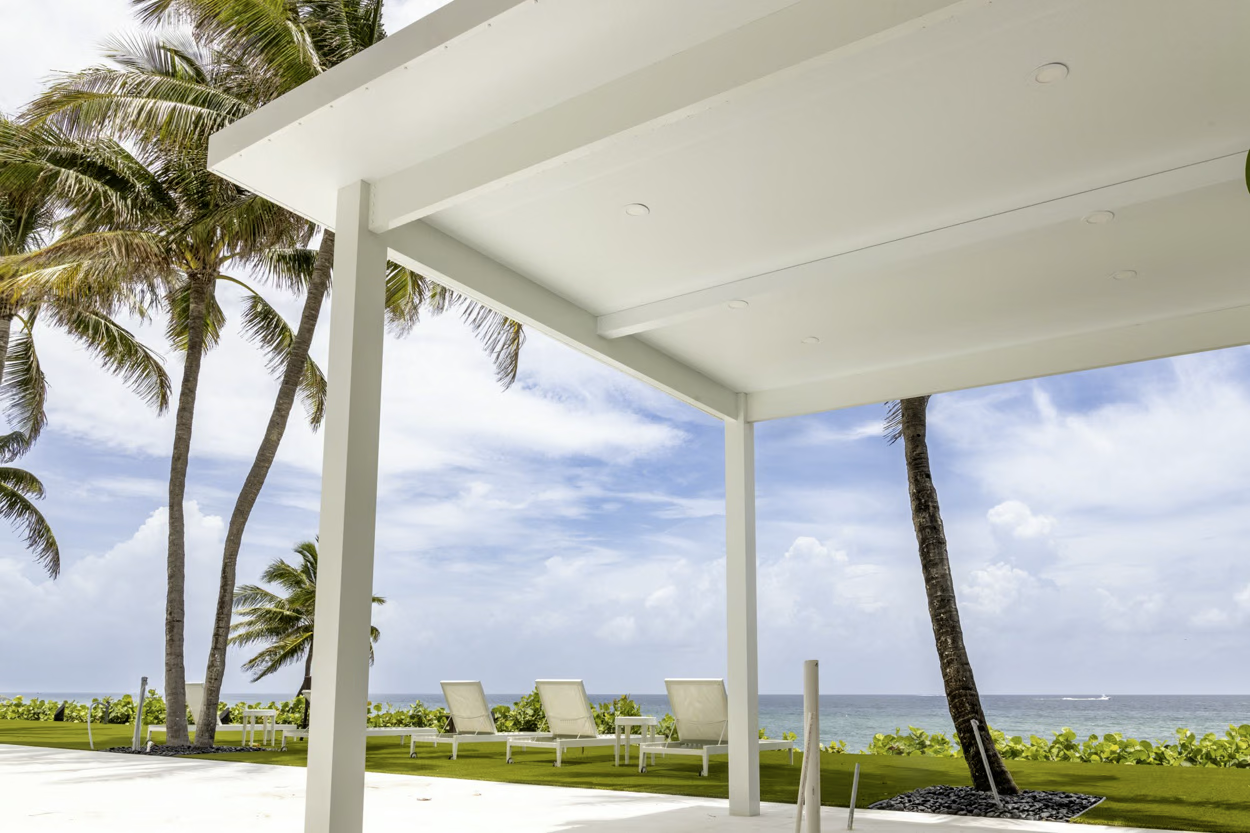
1. “Wind Resistant” Is Not the Same as “Hurricane-Rated”
This is the most misunderstood distinction.
Many pergola kits claim to be “wind resistant.”
That typically means:
- 60–90 mph wind rating
- Minimal anchoring
- Lightweight roll-formed aluminum
In South Florida, hurricane-rated structures must withstand:
- 170–175+ mph wind loads
- Uplift pressure
- Lateral wind forces
- Florida Building Code requirements
Anything below that standard may fail during a major storm.
2. Understanding HVHZ & Florida Building Code
South Florida falls within one of the strictest building zones in the country.
Broward and Miami-Dade Counties operate within the High Velocity Hurricane Zone (HVHZ), which imposes higher wind-load standards than most U.S. regions.
Homes in Fort Lauderdale and surrounding coastal communities require:
- Engineered structural calculations
- Approved product documentation
- Specific wind-speed compliance
Palm Beach County cities like Boca Raton also enforce strict wind-load engineering.
This regulatory landscape is why custom design-build expertise is essential .
3. Miami-Dade NOA & Product Approval
One of the strongest indicators of structural legitimacy is a Miami-Dade NOA (Notice of Acceptance).
An NOA means:
- The product has been tested under extreme wind conditions
- Structural integrity meets HVHZ standards
- It is approved for installation in high-wind zones
Without proper product approval documentation, a pergola may fail inspection or void insurance coverage.
Premium systems from manufacturers like Azenco Outdoor and StruXure often pursue this level of certification.
4. Engineering Matters More Than Aesthetics
True hurricane-resistant pergolas are engineered from the ground up.
Key Structural Components:
- Extruded aluminum beams (stronger than roll-formed)
- Thick wall profiles
- Marine-grade powder coating
- Stainless steel fasteners
- Deep reinforced concrete footings
- Integrated drainage systems
The connection between the structure and the footing is just as critical as the frame itself.
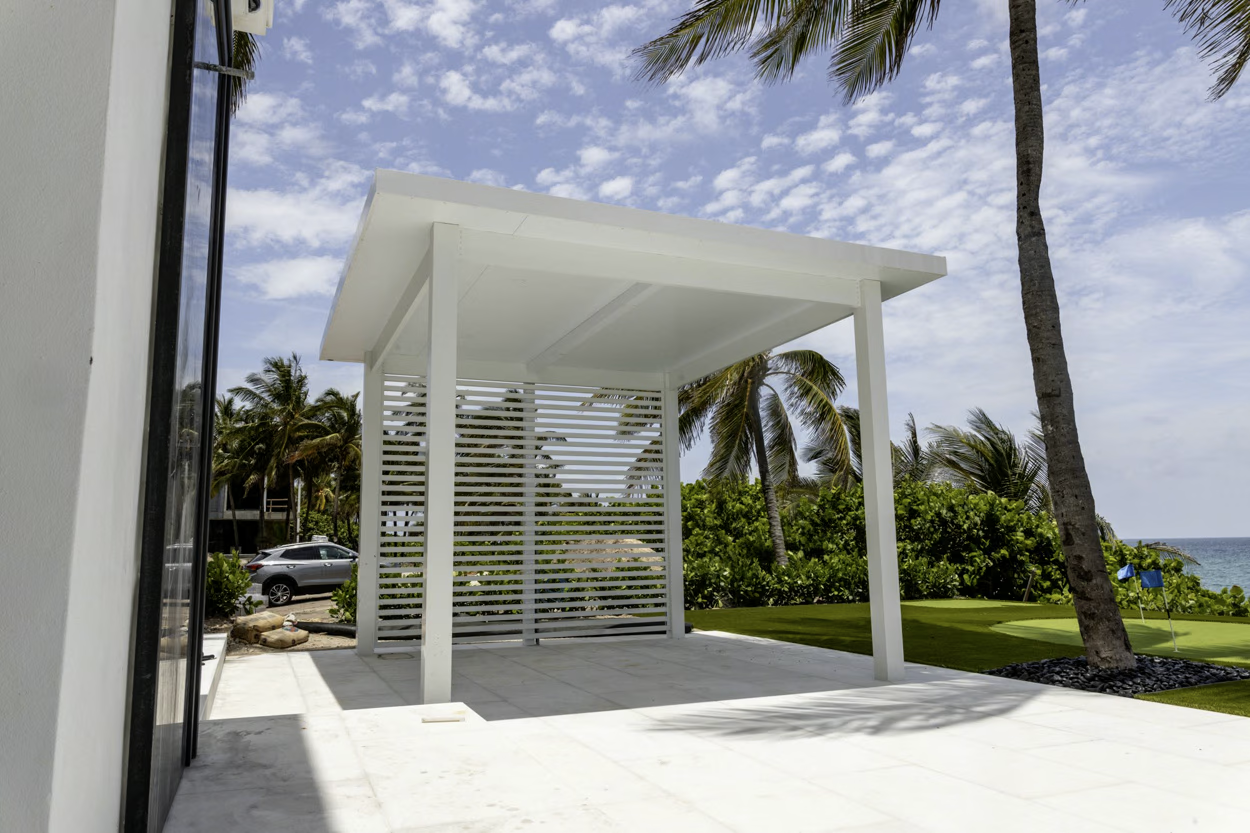
5. Uplift & Lateral Force: The Real Threat
Most homeowners think wind pushes horizontally.
In reality, wind uplift is often the primary cause of failure.
When strong winds move over a roof:
- Pressure difference creates upward suction
- Lightweight structures lift like kites
- Weak anchoring fails first
Motorized louvered roof systems are engineered to manage both uplift and lateral pressure.
Some advanced systems even include wind sensors that automatically adjust louvers to reduce stress during storms.
6. Salt Air & Corrosion Resistance
Coastal homes in Jupiter and Fort Lauderdale face additional risk:
- Salt spray corrosion
- Fastener deterioration
- Powder coat breakdown
Marine-grade finishes (such as Kynar-based coatings) significantly extend structural lifespan.
Hurricane resistance isn’t just about wind — it’s about long-term durability.
7. Permits & Inspections Are Non-Negotiable
In Palm Beach and Broward County:
- Permits are mandatory
- Sealed engineering drawings are required
- Wind-load calculations must be site-specific
- Notice of Commencement must be filed
HOAs in communities like Royal Palm Yacht & Country Club often require:
- Architectural renderings
- Color approval
- Structural documentation
Experienced contractors manage the entire compliance process.
Skipping permits is not worth the risk.
8. What Does a Hurricane-Rated Pergola Cost?
Luxury hurricane-resistant aluminum pergolas typically range:
$85 – $150+ per square foot installed
Most high-end residential projects fall between:
- $40,000 – $120,000+
- Estate-level builds exceed $150,000
Cost drivers include:
- Structural engineering
- Deep concrete footings
- Electrical integration
- Permit processing
- Premium materials
Premium pricing reflects engineering integrity — not decoration .
Key Takeaways
If you’re investing in a pergola in South Florida, ensure it is:
- Engineered for 170–175+ mph wind loads
- Built with extruded aluminum
- Properly anchored into reinforced concrete
- Miami-Dade NOA approved (when applicable)
- Florida Building Code compliant
- Professionally permitted
Anything less is cosmetic — not protective.
Conclusion: Build for the Storm, Not the Sunshine
In South Florida, outdoor structures must perform under pressure.
A properly engineered aluminum pergola is:
- A lifestyle upgrade
- A structural asset
- A storm-ready extension of your home
If you’re planning a hurricane-resistant pergola installation in Boca Raton, Fort Lauderdale, Jupiter, or anywhere in Palm Beach or Broward County:
Official sources
- Florida Building Code 2023, Chapter 2: definition of the High Velocity Hurricane Zone
- Miami-Dade Product Control: Notices of Acceptance (NOA)
- Miami-Dade product approval search: look up any NOA
- Florida Building Commission: product approval search
- Broward County Board of Rules and Appeals
Work with the trusted aluminum pergola and louvered roof expert in South Florida.
More on Pergola Materials & Engineering
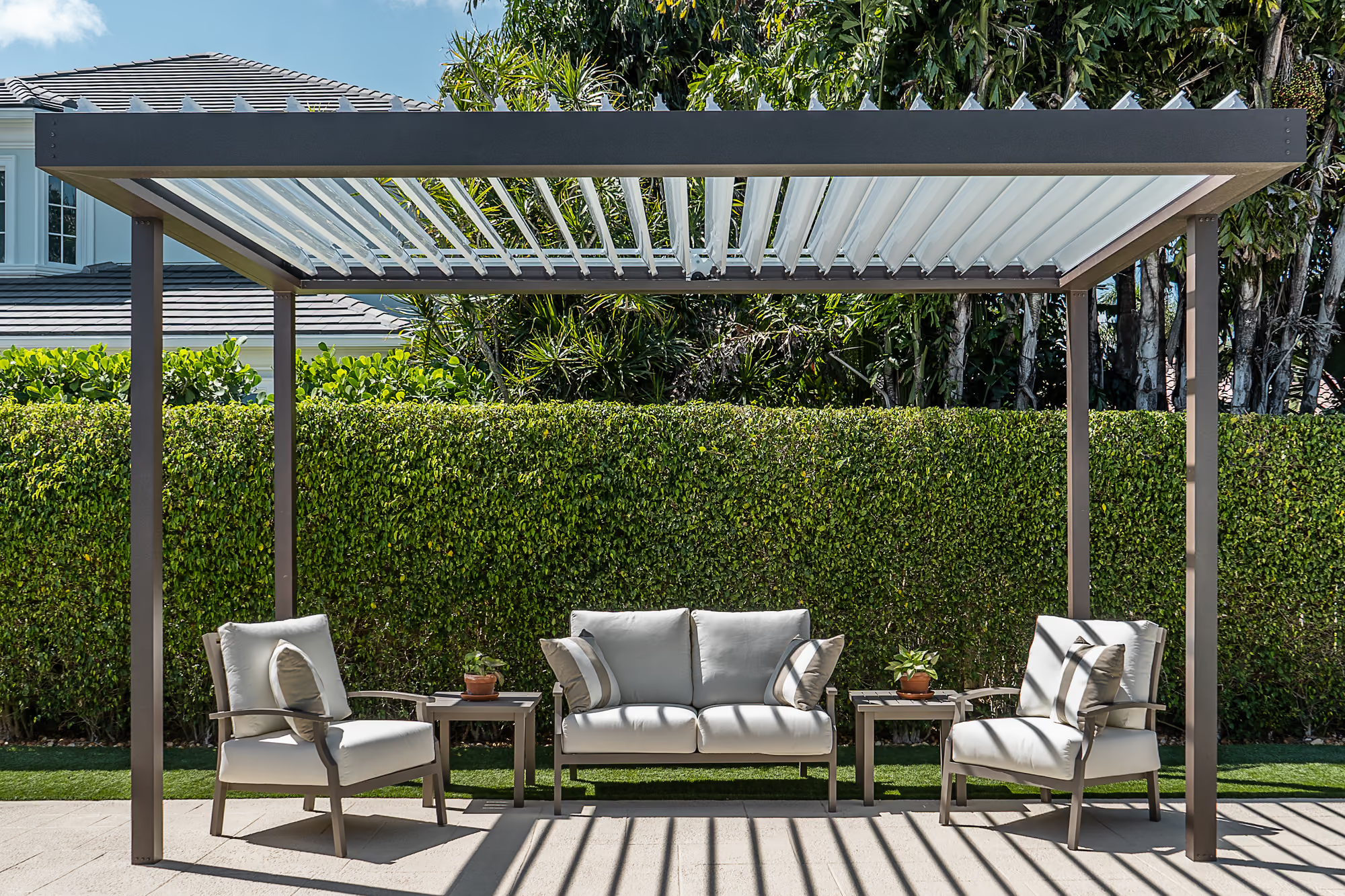
Is a Louvered Roof Pergola Worth It in Florida?
Are louvered roof pergolas worth it in Florida’s climate?
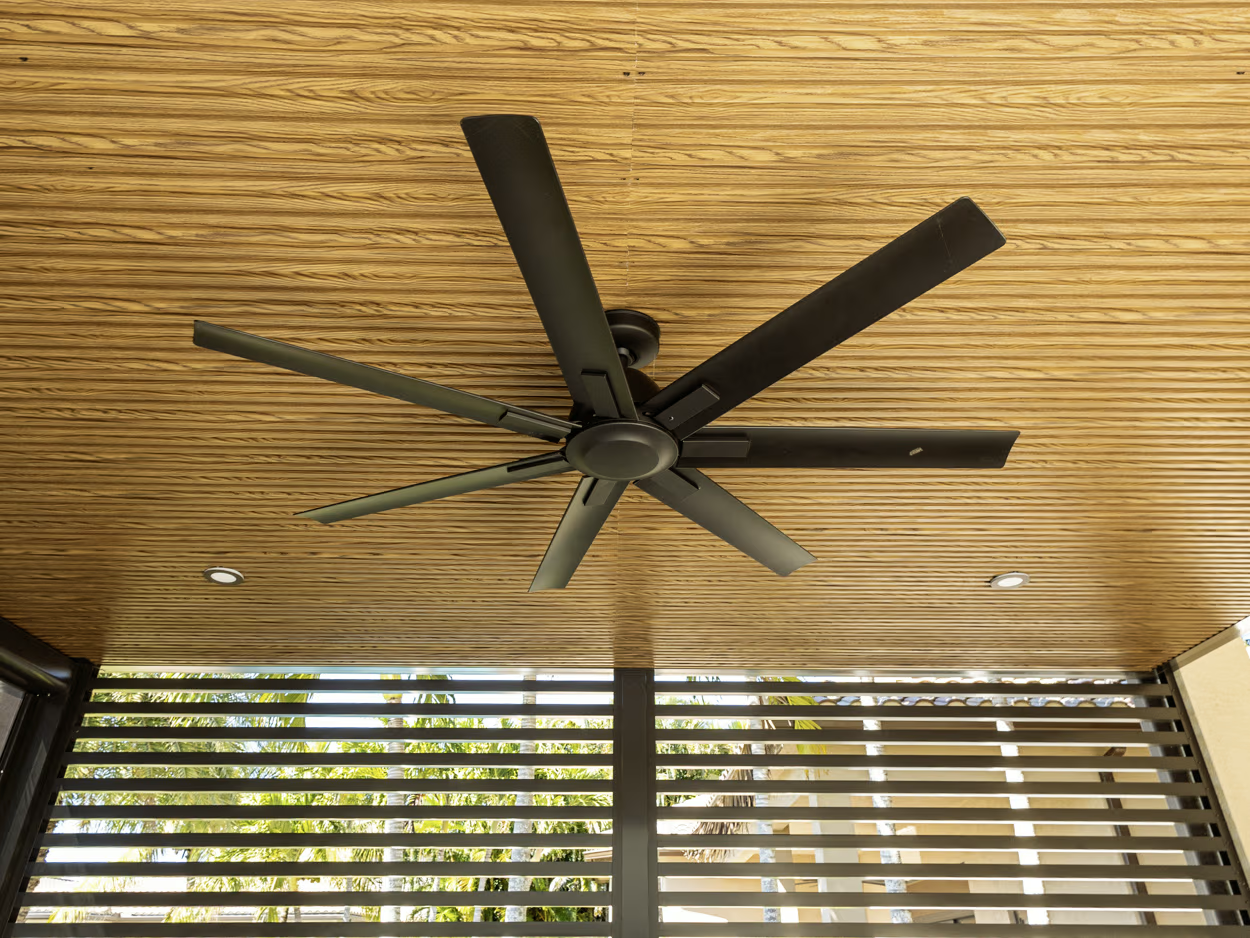
Aluminum vs Wood Pergolas in Humid Climates
Which pergola performs better in humid climates?
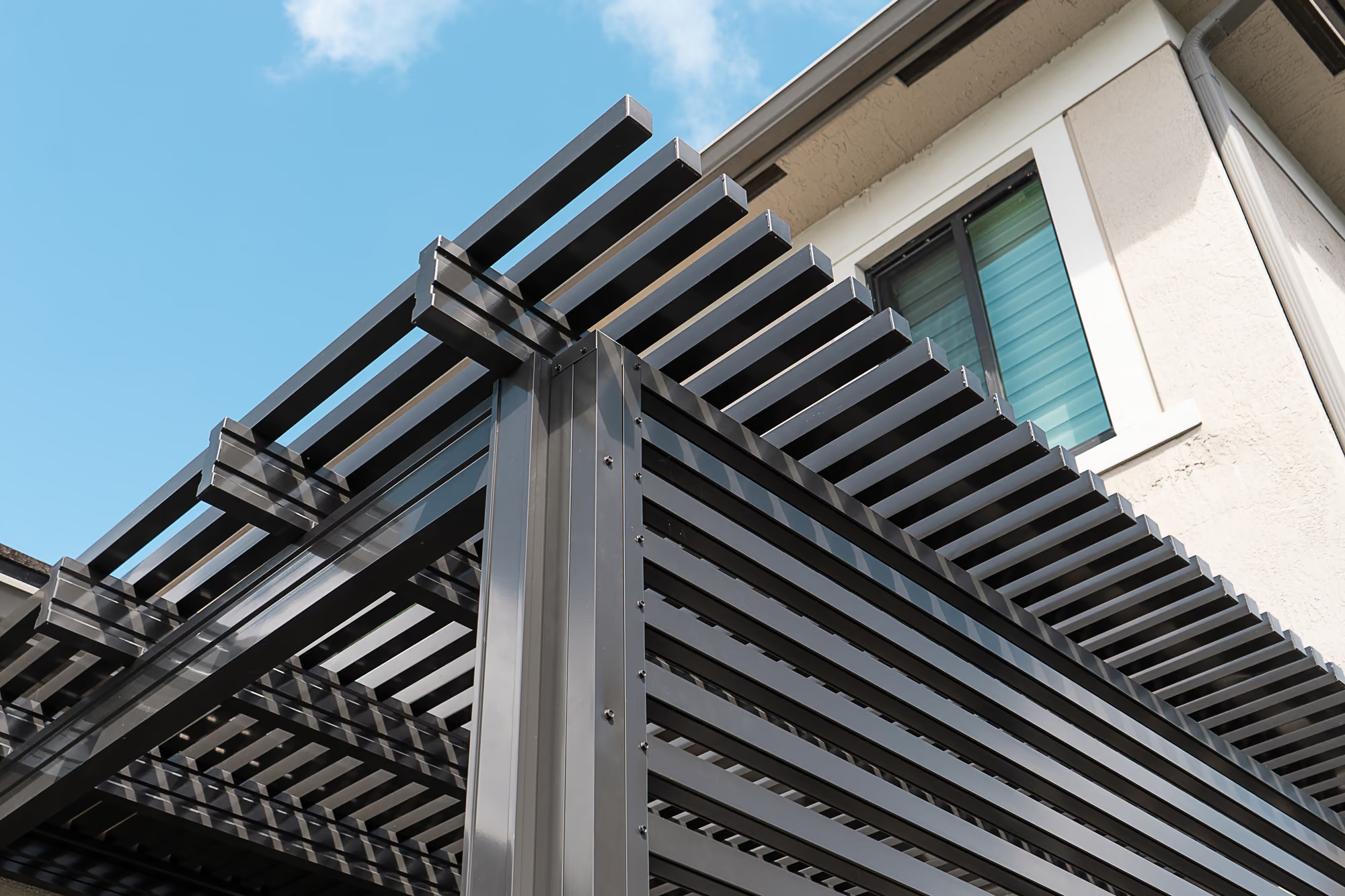
Step-by-Step: Building a Custom Pergola in South Florida
Step-by-step guide to planning and building a custom pergola in South Florida.