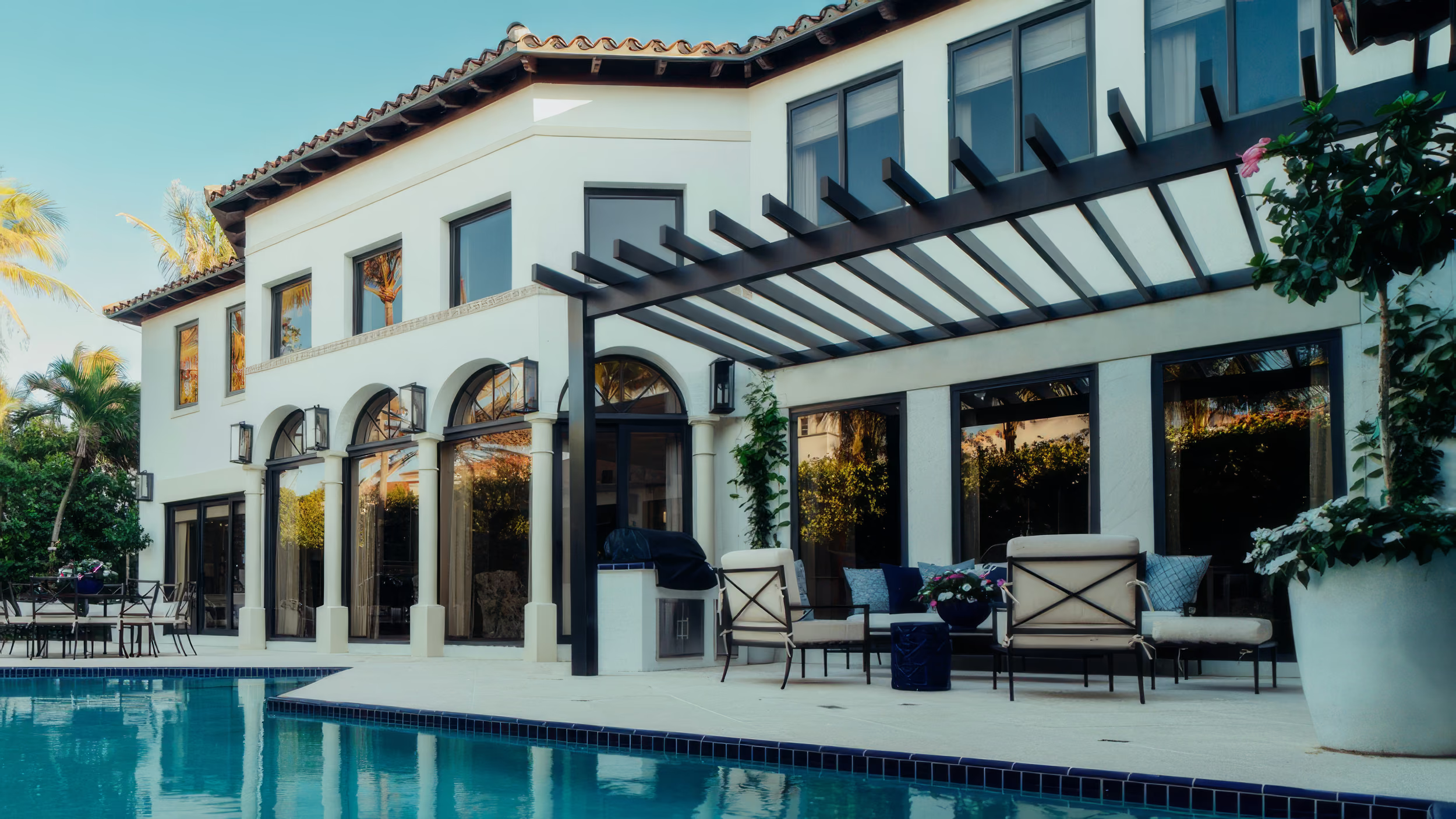
Aluminum vs Wood Pergolas in Humid Climates
Which pergola performs better in humid climates?
Humidity changes everything.
In climates like South Florida, moisture isn’t seasonal — it’s constant. If you’re choosing between aluminum and wood for your pergola, the wrong decision can lead to warping, rot, corrosion, or premature replacement.
So which performs better in high-humidity environments?
If you live in Boca Raton, Fort Lauderdale, or Wellington, this guide will help you make a long-term structural investment — not a short-term aesthetic choice.
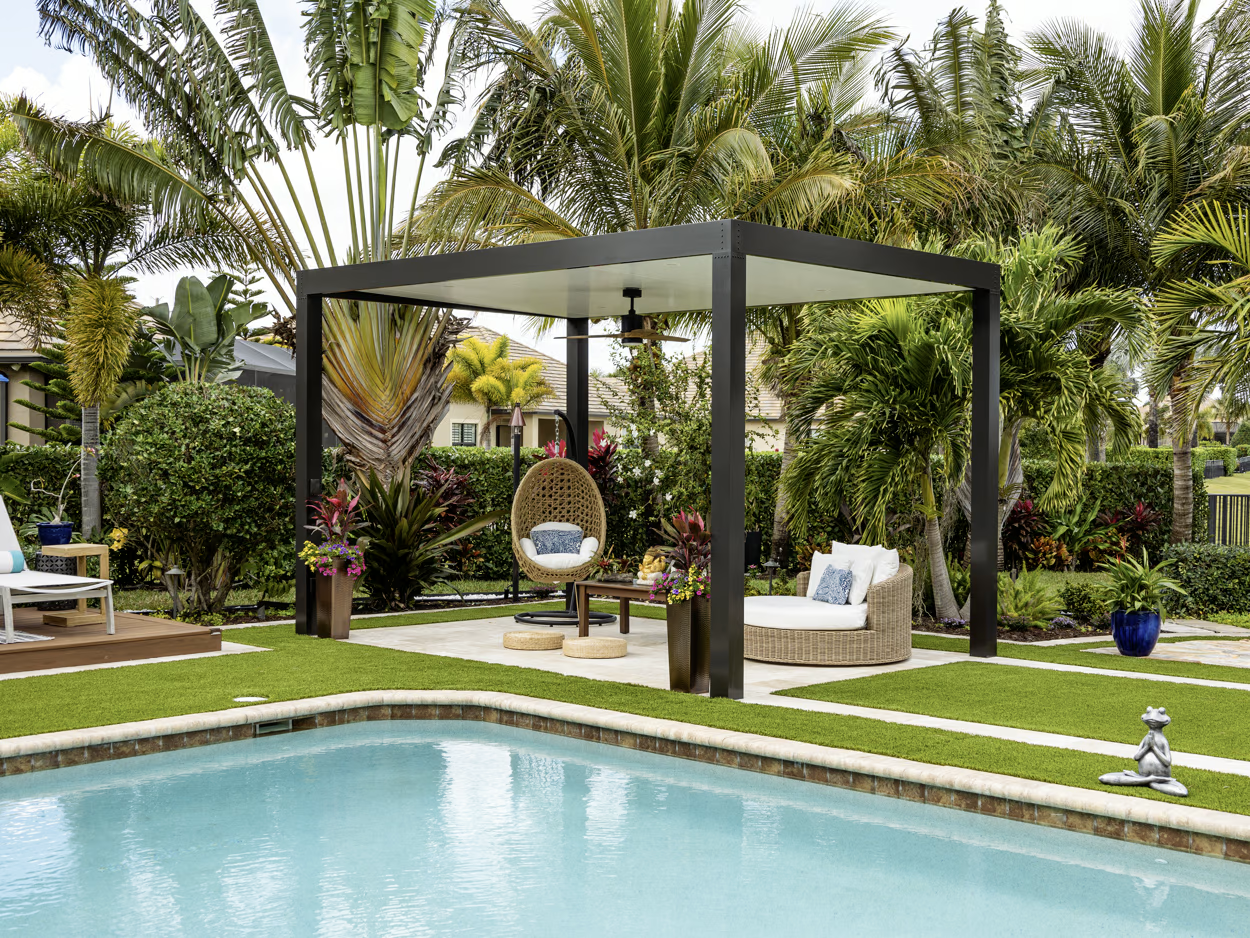
The Core Problem: Humidity + Heat + Rain
Humid climates like South Florida create:
- Persistent moisture exposure
- Frequent rainfall
- High UV intensity
- Termite activity
- Salt air (coastal homes)
These environmental pressures expose the weaknesses of certain materials quickly.
Let’s compare.
Wood Pergolas in Humid Climates
Wood pergolas are traditional and visually warm. However, in high-moisture environments, they face structural challenges.
Common Issues with Wood in Humidity
- Warping from moisture absorption
- Rot due to fungal growth
- Mildew staining
- Termite damage
- Constant sealing or staining required
- Cracking from UV exposure
Even pressure-treated lumber is vulnerable over time.
In coastal areas like Jupiter and Palm Beach Gardens, salt air accelerates deterioration.
Maintenance Reality
To keep wood performing:
- Annual sealing
- Regular inspections
- Replacement of cracked boards
- Fastener monitoring
Maintenance costs add up — especially in luxury homes.
Aluminum Pergolas in Humid Climates
Extruded aluminum pergolas are engineered for moisture resistance.
Why Aluminum Performs Better
- Naturally corrosion-resistant
- Does not absorb moisture
- Immune to termites
- Powder-coated for UV protection
- Structurally stable in heat
When finished with marine-grade powder coating (like Kynar-based systems), aluminum resists:
- Salt spray
- Fading
- Surface degradation
Premium manufacturers like StruXure and Azenco Outdoor design systems specifically for high-humidity, high-wind environments.
Structural Performance: Wind & Storm Conditions
Humidity alone isn’t the only issue.
South Florida pergolas must also withstand:
- 170–175+ mph wind loads
- Uplift pressure
- Heavy rainfall
Wood structures can be engineered to meet wind loads, but they require:
- Larger beams
- Increased maintenance
- Vulnerability at connection points
Aluminum systems, particularly motorized louvered roof systems, are designed with:
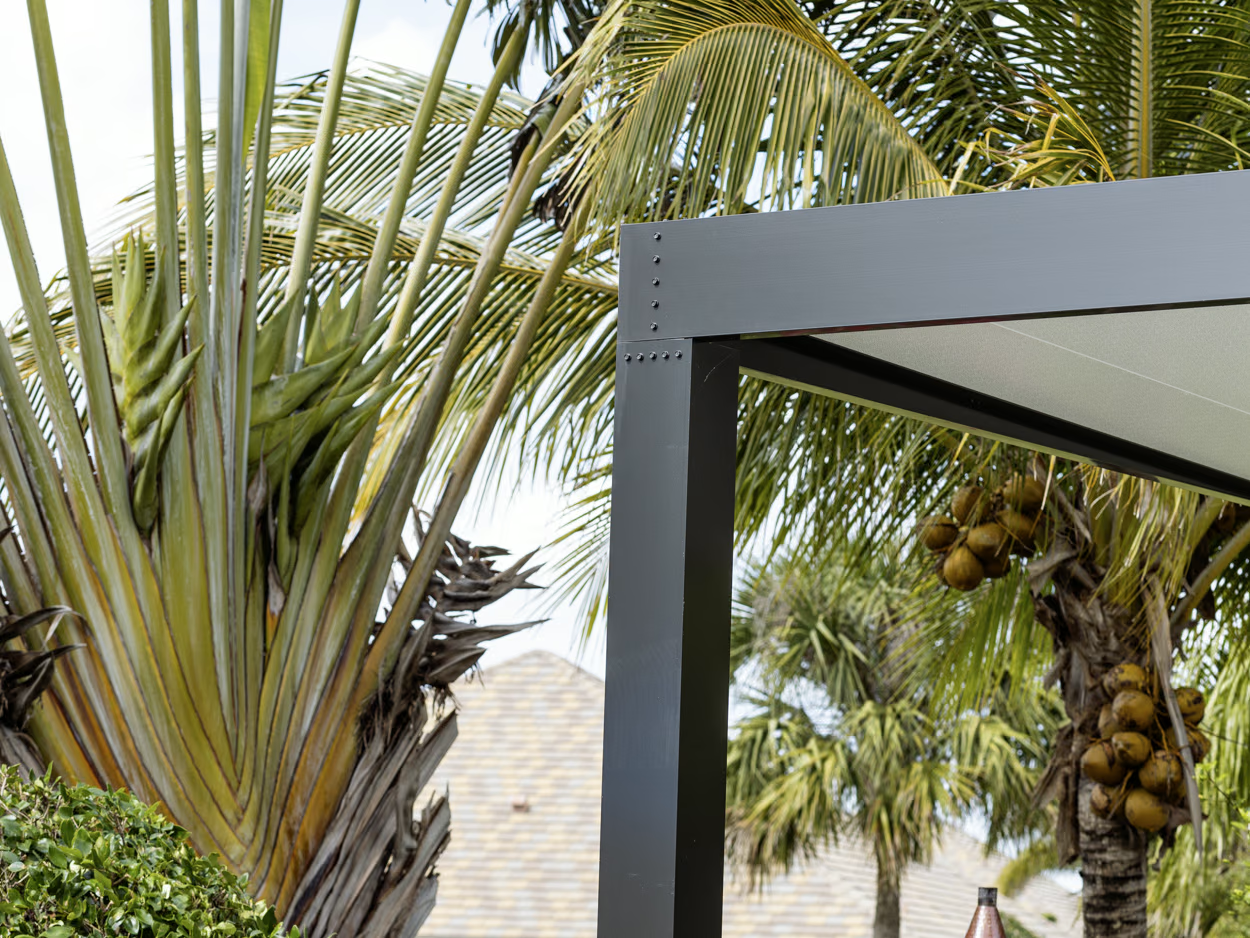
- Engineered extruded profiles
- Reinforced connection brackets
- Stainless steel fasteners
- Florida Building Code compliance
This engineering-focused approach aligns with South Florida’s high-wind building standards .
Aesthetic Considerations
Wood offers:
- Natural grain
- Traditional appearance
- Rustic or Mediterranean style
Aluminum offers:
- Modern minimalism
- Matte black or white finishes
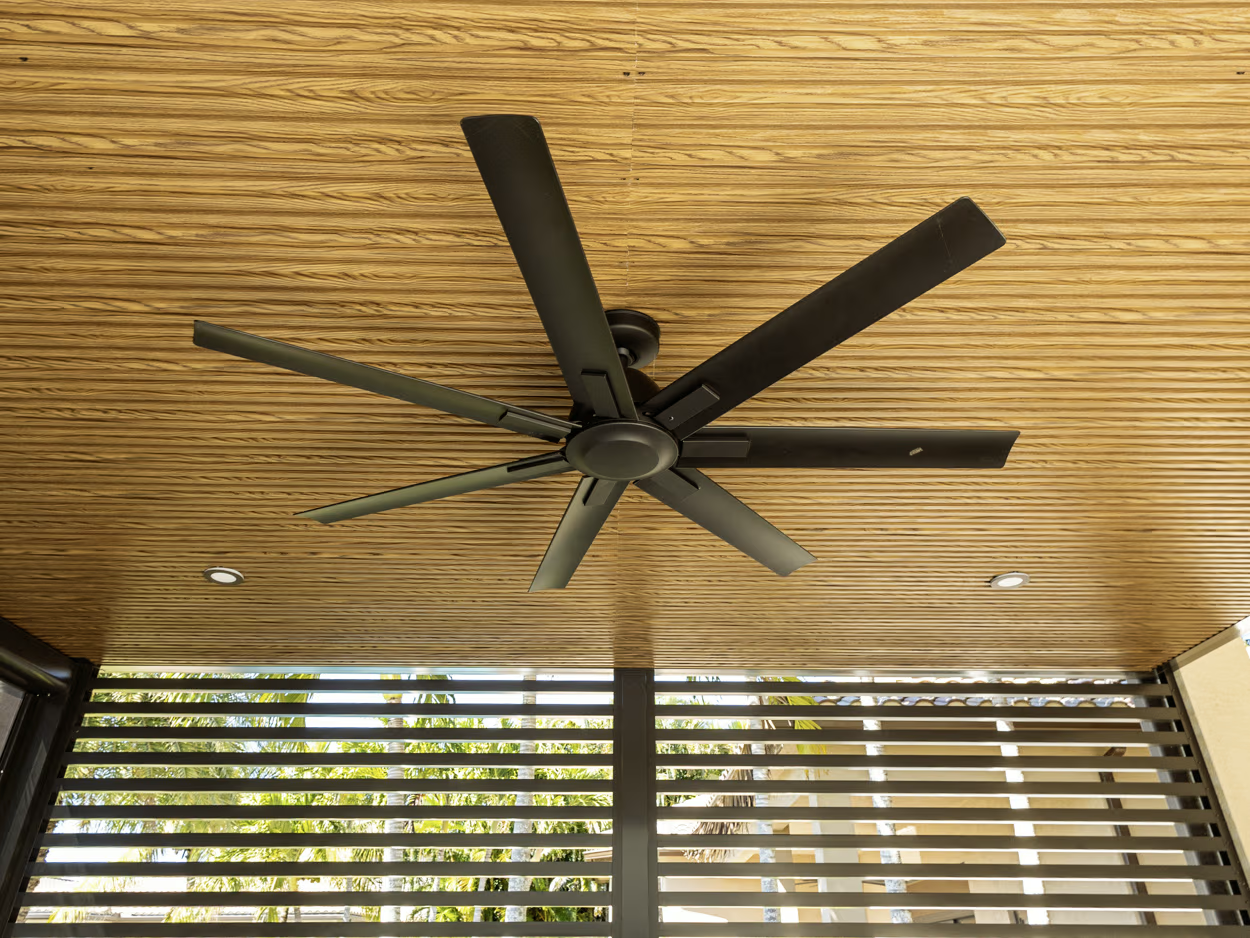
- Wood-grain powder coating options
- Concealed drainage
In high-end communities such as Royal Palm Yacht & Country Club, aluminum wood-grain finishes are increasingly replacing natural wood for durability without sacrificing aesthetics.
Cost Comparison
Initial Investment
- Wood pergolas may appear less expensive initially.
- Aluminum systems often range from $85 – $150+ per square foot installed.
However, wood maintenance over 10–15 years often exceeds the initial savings.
Long-Term Ownership Cost
Wood:
- Ongoing staining & sealing
- Board replacements
- Structural repairs
Aluminum:
- Minimal maintenance
- Wash occasionally
- Long-term structural integrity
When Wood Might Make Sense
Wood may be suitable if:
- You are inland (lower salt exposure)
- You prefer rustic aesthetics
- You are prepared for ongoing maintenance
- Budget constraints are significant
But for coastal, humid, hurricane-prone regions, aluminum is typically the superior long-term investment.
Key Differences at a Glance
Wood Pergolas
- Traditional look
- High maintenance
- Susceptible to humidity damage
- Termite risk
- Requires frequent refinishing
Aluminum Pergolas
- Modern or wood-grain finish
- Low maintenance
- Corrosion resistant
- Hurricane-engineered
- Smart system integration available
Conclusion: Which Is Better in Humid Climates?
In consistently humid environments like South Florida:
Aluminum outperforms wood in:
- Durability
- Structural stability
- Maintenance requirements
- Hurricane performance
- Long-term cost efficiency
Wood may offer charm — but aluminum offers performance.
If you're planning a pergola installation in Boca Raton, Fort Lauderdale, Wellington, or anywhere in Palm Beach or Broward County:
Work with the trusted aluminum pergola and louvered roof expert in South Florida.
More on Pergola Materials & Engineering
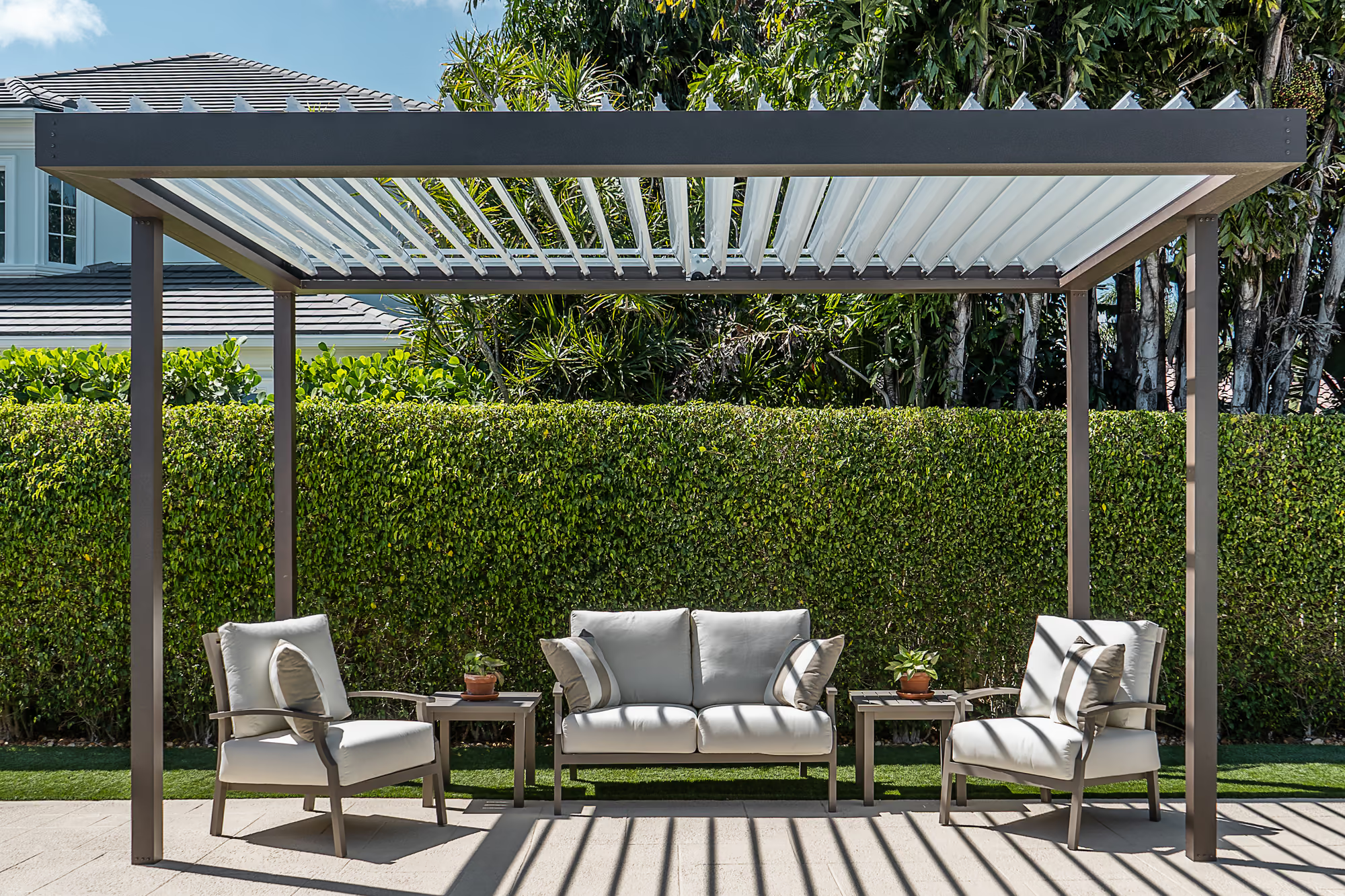
Is a Louvered Roof Pergola Worth It in Florida?
Are louvered roof pergolas worth it in Florida’s climate?
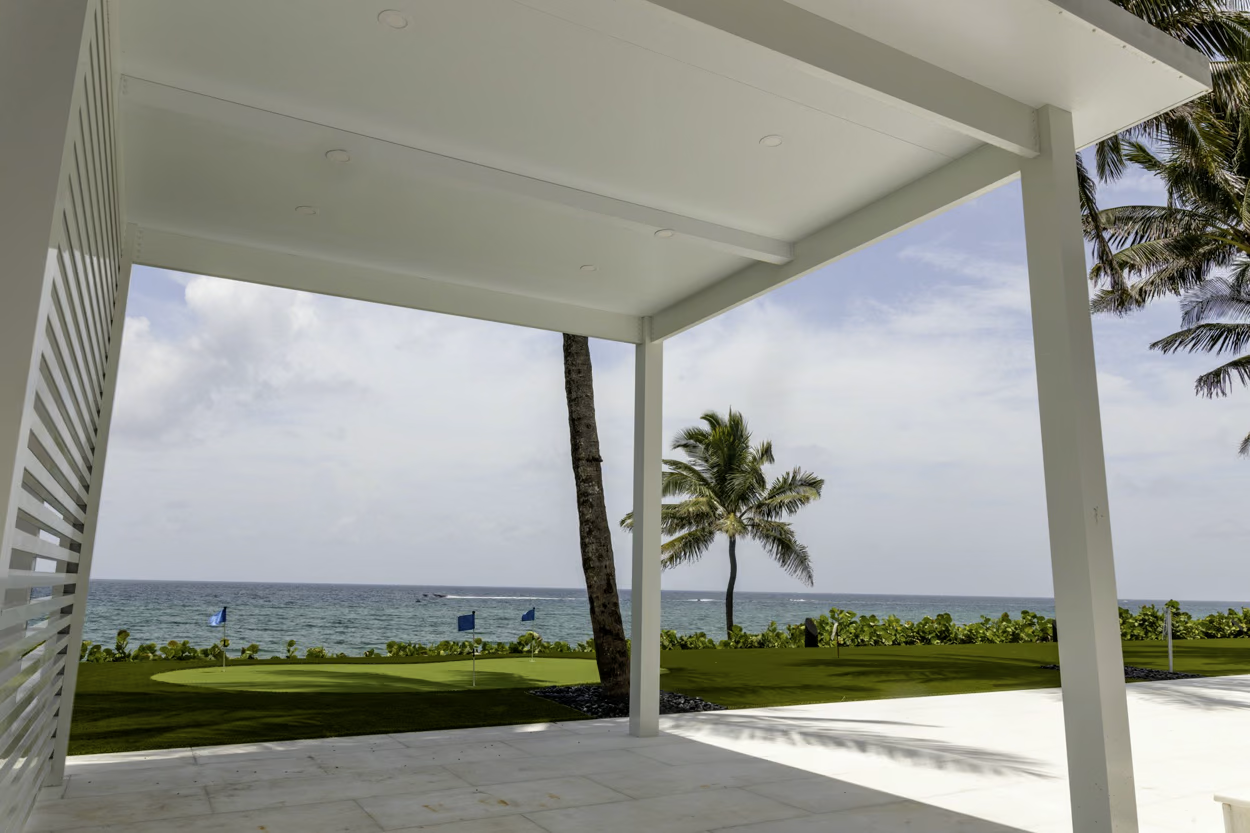
Hurricane-Resistant Pergolas in South Florida: What You Must Know
What makes a pergola truly hurricane-resistant in South Florida?
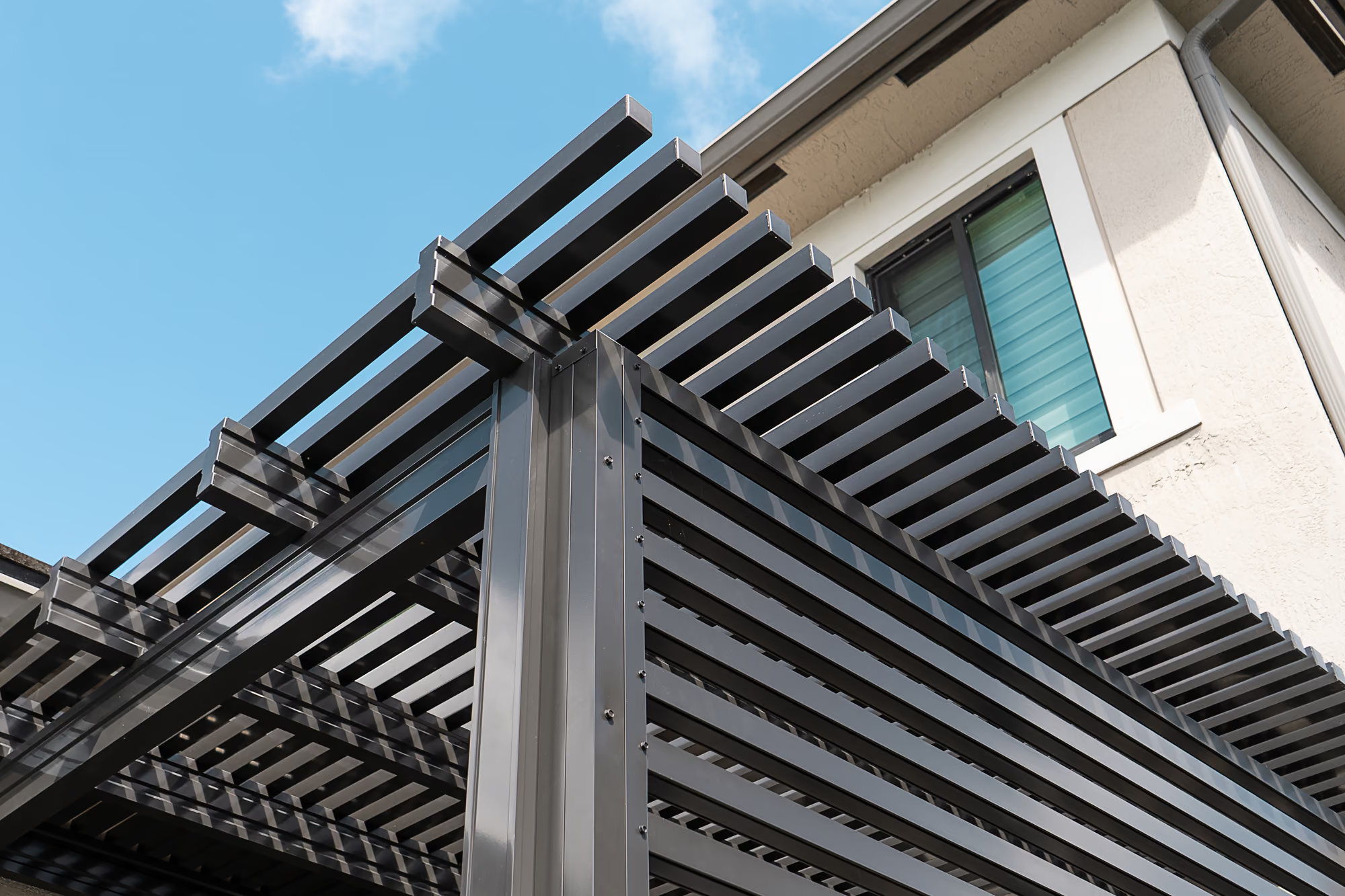
Step-by-Step: Building a Custom Pergola in South Florida
Step-by-step guide to planning and building a custom pergola in South Florida.