How Long Does Pergola Installation Take in Florida?
Pergola installation timeline in South Florida explained.
If you’re planning a pergola in South Florida, one of the most common questions is:
How long does pergola installation actually take?
The answer depends on more than just construction time.
In cities like Boca Raton, Fort Lauderdale, Delray Beach, and Parkland, installation timelines are influenced by:
- Structural engineering
- HOA approvals
- Permit processing
- Fabrication lead times
- Weather conditions
Here’s the realistic 2026 breakdown for luxury aluminum pergola projects in Palm Beach and Broward County.
Total Timeline Overview
From first consultation to final inspection:
8–14+ weeks on average
This includes:
- Design & consultation
- Engineering
- HOA approval (if required)
- Permit processing
- Fabrication
- Physical installation
- Final inspections
Let’s break it down step by step.
Phase 1: Design Consultation (1–2 Weeks)
The process begins with:
- Site evaluation
- Sun orientation analysis
- Wind exposure review
- Architectural integration planning
Waterfront homes in Fort Lauderdale may require additional wind-load considerations due to Exposure Category D conditions.
At this stage, you’ll select:
Premium systems often specified include:
- StruXure
- Azenco Outdoor
- Equinox
Phase 2: Structural Engineering (1–2 Weeks)
South Florida pergolas must withstand:
170–175+ mph wind loads
An engineer prepares:
- Sealed structural drawings
- Beam sizing calculations
- Uplift analysis
- Footing depth specs
Engineering is mandatory under Florida Building Code .
Without sealed plans, permits cannot be submitted.
Phase 3: HOA Approval (2–4 Weeks, If Applicable)
If you live in a gated community such as Royal Palm Yacht & Country Club, HOA approval is required before city permits.
You may need:
- 3D renderings
- Site plans
- Color samples
- Structural documentation
Approval timelines vary by community.
Skipping this step can delay the project significantly.
Phase 4: Permit Processing (2–6 Weeks)
Once HOA approval is secured (if required), the permit application is submitted.
Municipal review times vary:
- Boca Raton: Typically 2–4 weeks
- Fort Lauderdale: Often 3–6 weeks
Permit approval depends on:
- Engineering completeness
- Wind-load calculations
- Site plan accuracy
- Product approval documentation
High-wind compliance adds review complexity .
Phase 5: Fabrication (3–5 Weeks)
After permits are approved, the pergola system is fabricated.
Fabrication time depends on:
- Custom sizing
- Powder coat color
- Motorized components
- Insulated panels
- Integrated lighting
Motorized louvered systems typically require slightly longer lead times than open-air pergolas.
Phase 6: Physical Installation (3–7 Days)
Once materials arrive on-site, installation is relatively fast.
Day 1–2:
- Layout & footing excavation
- Inspection before concrete pour
Day 3–4:
- Column & beam installation
- Structural anchoring
Day 5–7:
- Louver installation
- Electrical integration
- Drainage connection
- Final detailing
Large custom projects may extend slightly longer.
But actual on-site installation usually takes less than one week.
Phase 7: Final Inspections (1–2 Weeks)
After installation:
- Electrical inspection (if applicable)
- Structural inspection
- Final approval
Once signed off, the project is officially complete.
What Can Delay Installation?
Common timeline extensions include:
- Incomplete HOA submissions
- Engineering revisions
- Permit backlogs
- Custom color lead times
- Hurricane season weather interruptions
Working with an experienced design-build firm reduces these risks significantly.
How Long Does Installation Take Without Permits?
Technically, physical installation still takes 3–7 days.
But skipping engineering and permitting can result in:
- Stop-work orders
- Fines
- Required removal
- Insurance complications
In South Florida, permits are not optional.
Cost vs Timeline Relationship
Luxury pergola installations in South Florida typically range:
$85 – $150+ per square foot installed
Higher-end, hurricane-rated systems involve more engineering and compliance — which extends planning timelines .
Faster projects are not always better projects.
Precision takes time.
Key Takeaways
How long does pergola installation take in Florida?
Total project timeline: 8–14+ weeks
Breakdown:
- Design: 1–2 weeks
- Engineering: 1–2 weeks
- HOA approval: 2–4 weeks
- Permit processing: 2–6 weeks
- Fabrication: 3–5 weeks
- Installation: 3–7 days
On-site construction is quick.
Engineering and compliance take time.
Conclusion: Plan Ahead for Florida Precision
In South Florida, pergolas are structural systems — not decorative accessories.
The timeline reflects:
- Hurricane-rated engineering
- HOA coordination
- Municipal permitting
- Custom fabrication
If you’re planning a pergola in Boca Raton, Fort Lauderdale, Delray Beach, Parkland, or anywhere in Palm Beach or Broward County:
Work with the trusted aluminum pergola and louvered roof expert who manages the entire process — from concept to final inspection.
More on Pergola Cost & Buying Guides
Step-by-Step: Building a Custom Pergola in South Florida
Step-by-step guide to planning and building a custom pergola in South Florida.
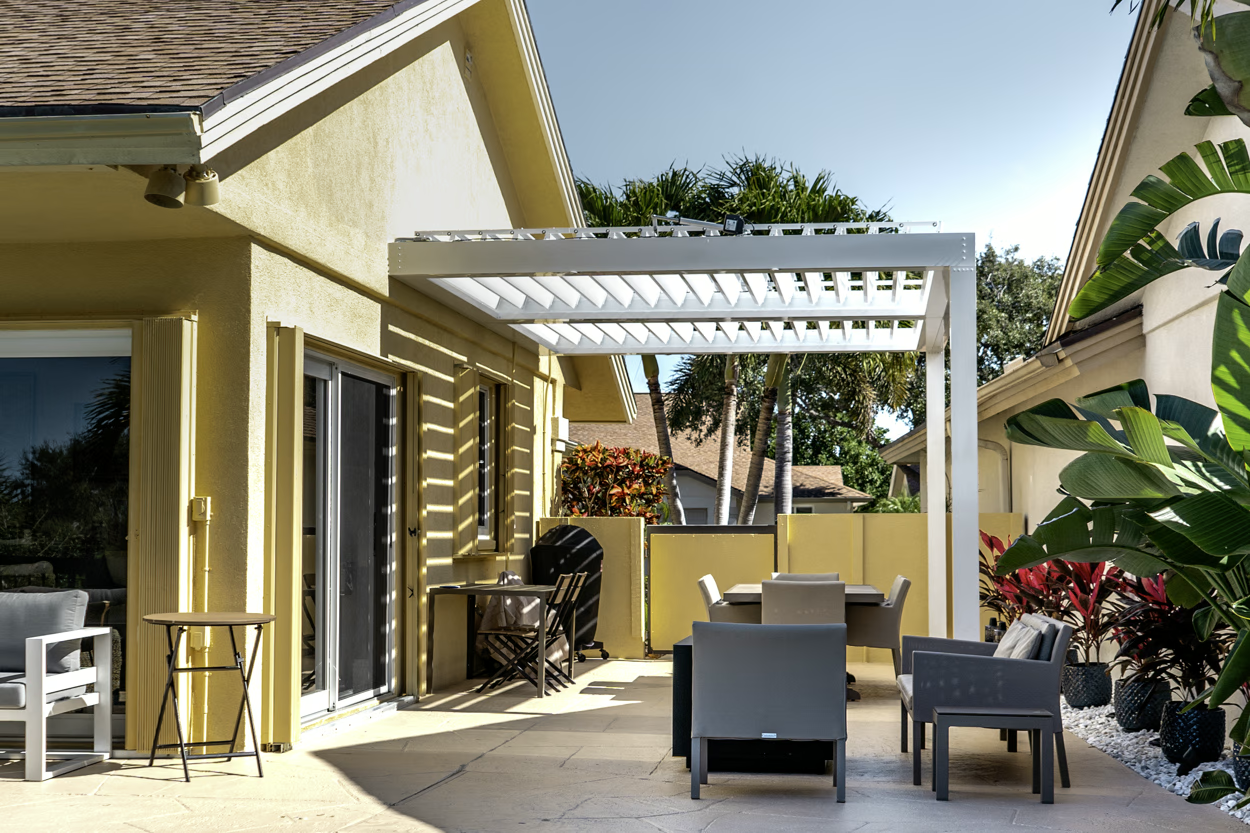
HOA Rules for Pergolas in South Florida Communities
HOA requirements for pergolas in South Florida explained.
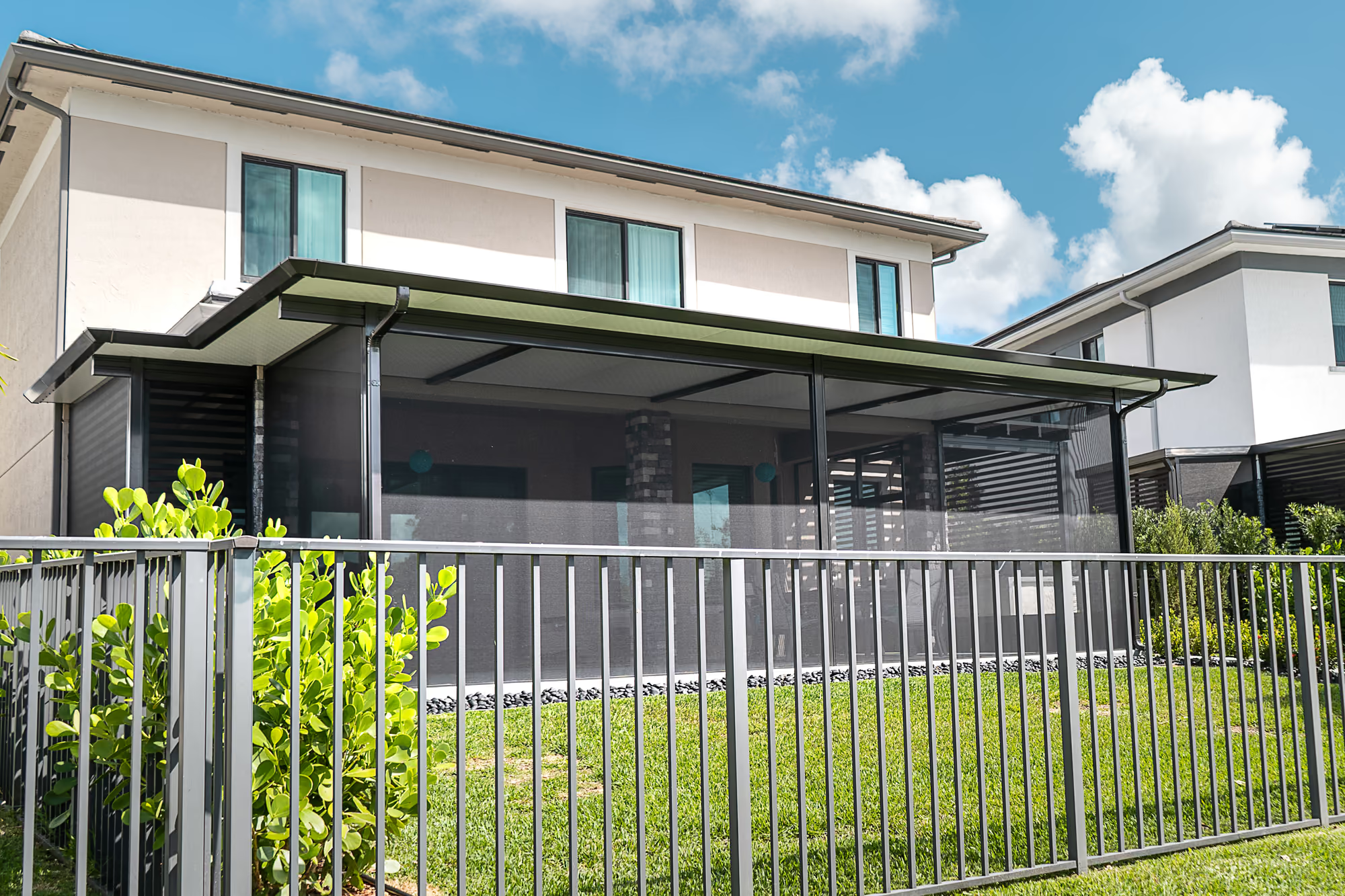
Do You Need a Permit for a Pergola in South Florida?
Permit requirements and building codes for pergolas in South Florida, Broward and Palm Beach, explained.