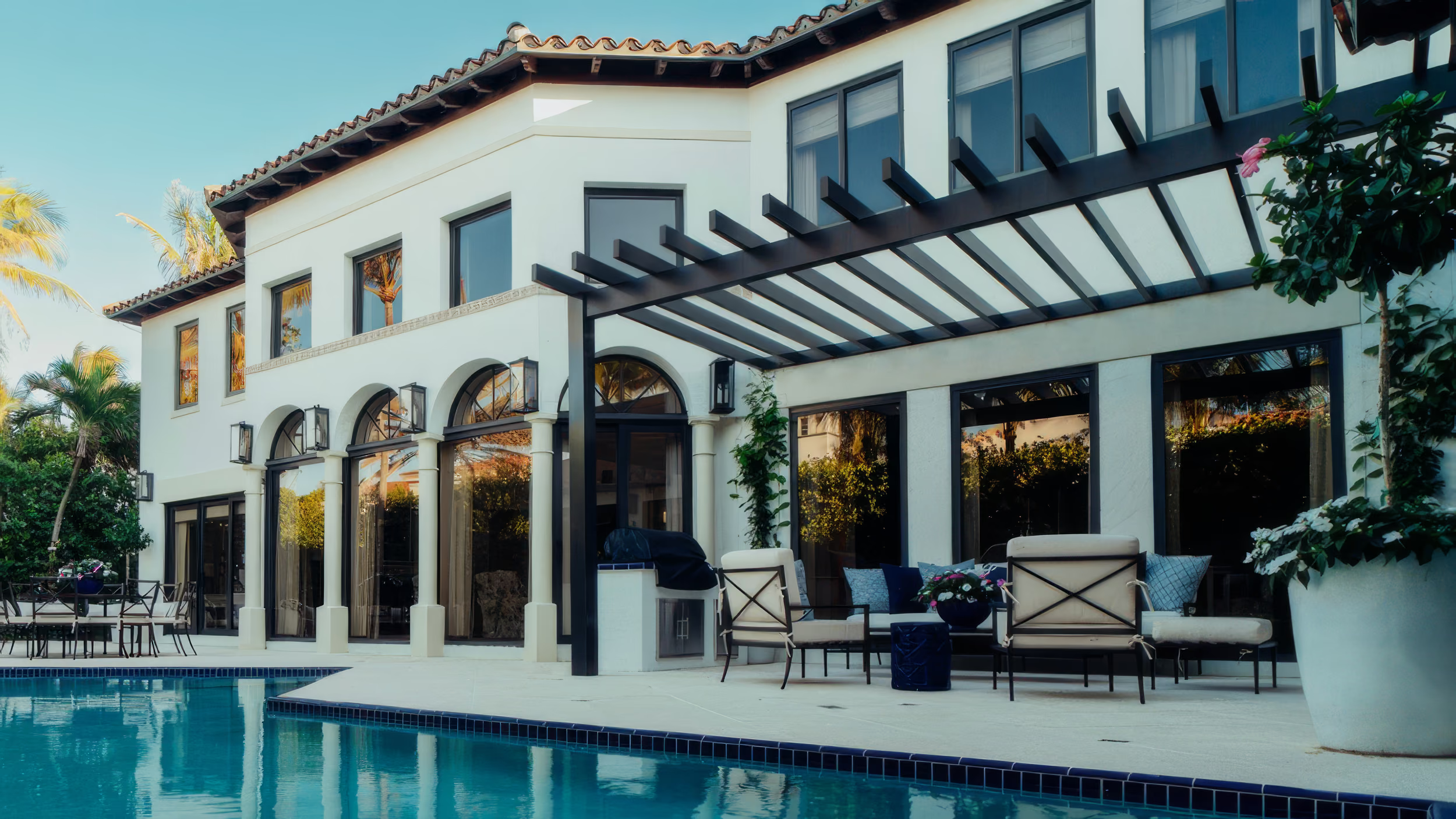
HOA Rules for Pergolas in South Florida Communities
HOA requirements for pergolas in South Florida explained.
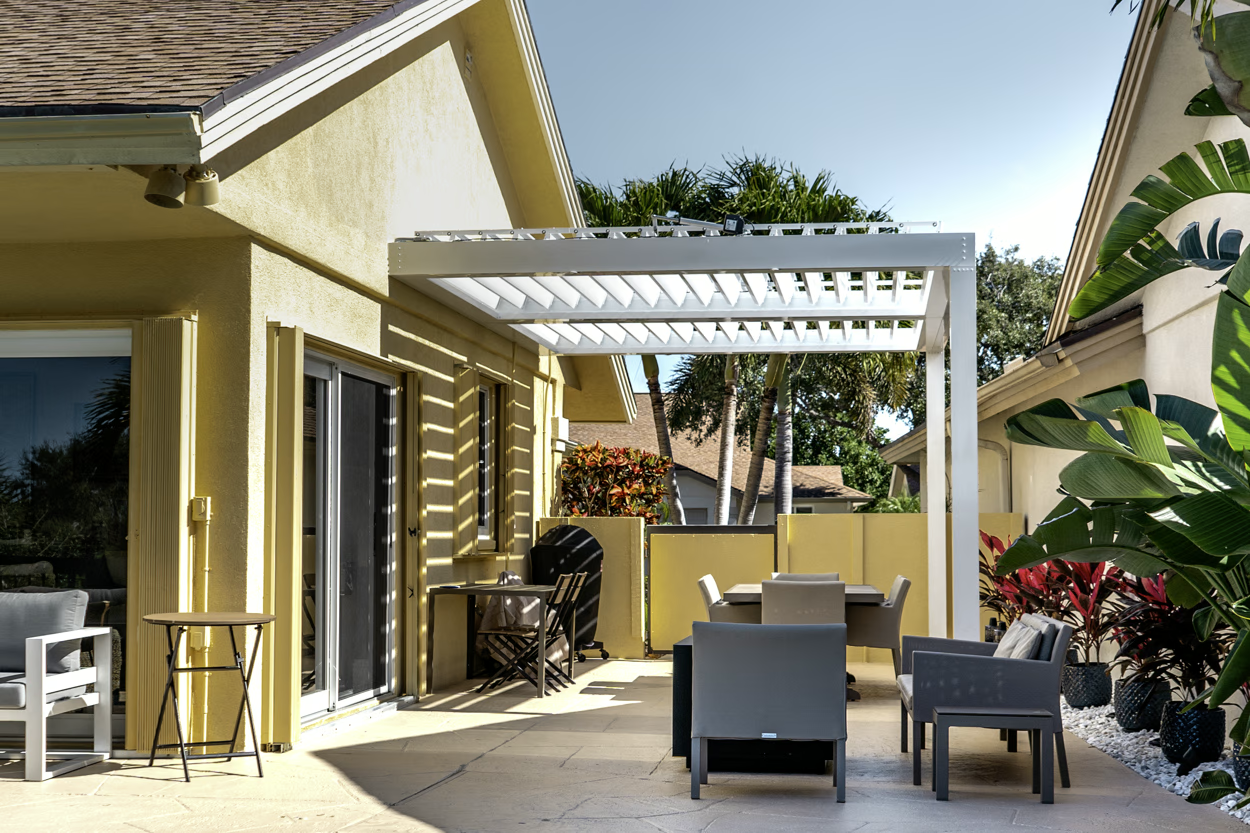
If you live in a gated or master-planned community in South Florida, installing a pergola requires more than just a building permit.
You also need HOA approval.
In luxury communities across Boca Raton, Parkland, Weston, and Wellington, pergolas must pass Architectural Review Committees (ARC) before installation begins.
Failing to follow HOA rules can result in:
- Immediate stop-work notices
- Daily fines
- Forced removal
- Legal action
- Complications during resale
Here’s what high-end homeowners must understand before planning a pergola project.
Why HOAs Regulate Pergolas
HOAs exist to maintain:
- Architectural consistency
- Property values
- Community aesthetics
- Structural safety
In South Florida’s luxury market, outdoor structures are highly visible. Pergolas must complement:
- Rooflines
- Exterior finishes
- Community design standards
- Color palettes
This is especially true in communities such as Royal Palm Yacht & Country Club and high-end neighborhoods in Weston.
Common HOA Requirements for Pergolas
While each association differs, most require:
1. Architectural Review Application
Before city permits, you must submit:
- Completed ARC application
- Site plan showing pergola location
- Property survey
- Structural drawings
Approval timelines typically range from 2–4 weeks.
2. 3D Renderings or Elevation Drawings
HOAs want to visualize how the pergola will look from:
- The street
- Adjacent homes
- Golf course views
- Lake or waterfront exposures
Professional renderings are often required.
3. Color & Material Approval
Many South Florida HOAs restrict:
- Bright white finishes
- Industrial-looking structures
- Non-matching color tones
Mediterranean-style communities in Boca Raton often require:
- Earth-tone powder coating
- Wood-grain aluminum finishes
- Concealed drainage
Modern communities in Fort Lauderdale may allow matte black minimalist systems.
Structural Requirements Still Apply
HOA approval does not replace city permitting.
You still must comply with:
- Florida Building Code
- Wind-load engineering
- Hurricane-rated anchoring
- Electrical code
South Florida pergolas must withstand 170–175+ mph wind loads .
HOAs may also require proof of:
- Licensed contractor
- Insurance coverage
- Permit approval
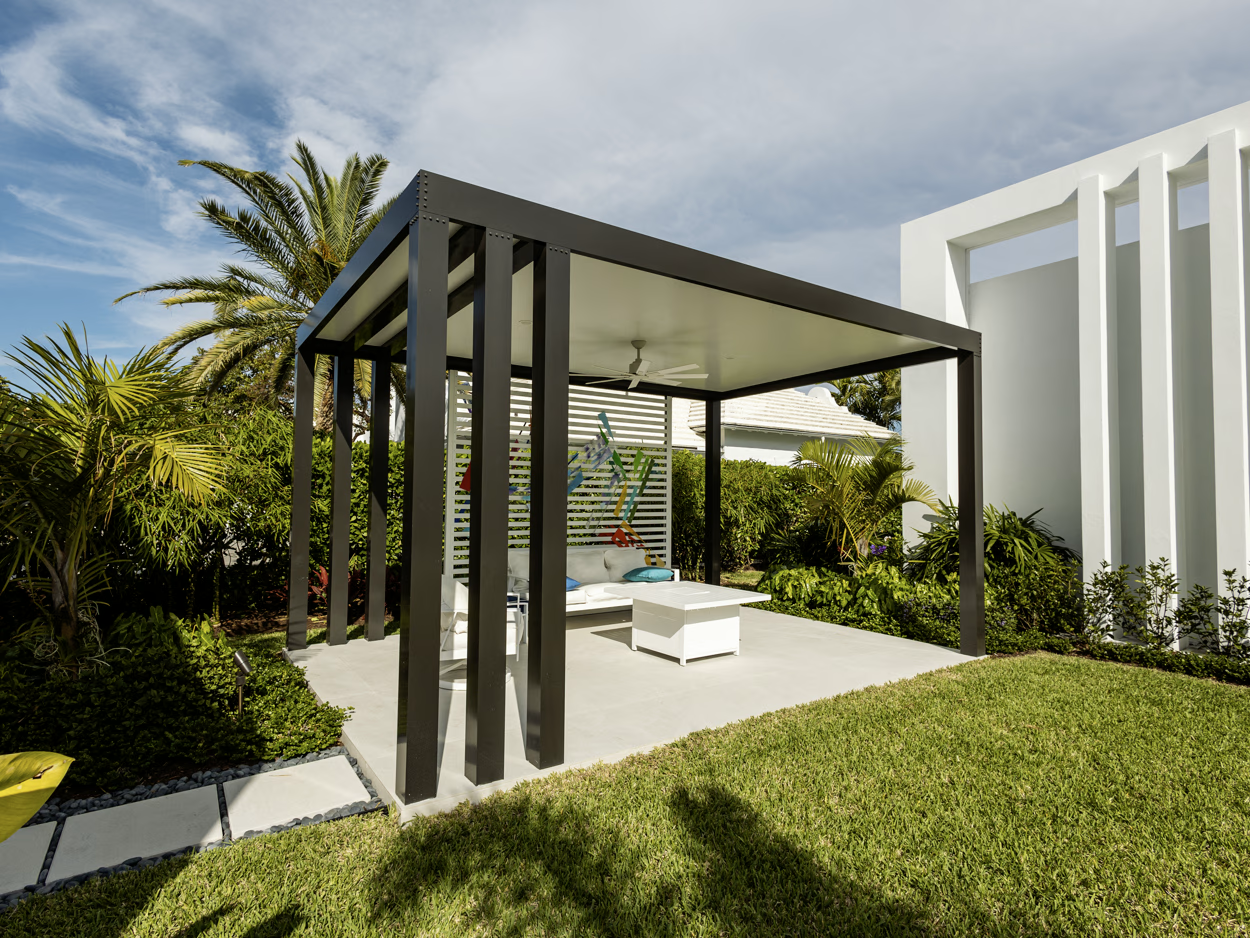
Height & Placement Restrictions
Many HOAs limit:
- Maximum pergola height
- Distance from property lines
- Proximity to fences
- Pool enclosure interference
Your design must respect:
- Setback requirements
- View corridor protection
- Neighbor sightline considerations
Failure to account for this can result in rejection.
Waterfront HOA Considerations
In canal-front communities in Fort Lauderdale or lakefront homes in Wellington, HOAs may impose additional rules regarding:
- View obstruction
- Dock access
- Wind exposure
- Coastal design harmony
Marine-grade aluminum systems are often preferred due to corrosion resistance.
Premium systems from manufacturers such as:
- StruXure
- Azenco Outdoor
Are commonly specified for compliance and performance.
Timeline: HOA + Permit Coordination
Typical sequence:
- Design Consultation
- Prepare Engineering & Renderings
- Submit HOA Application (2–4 weeks)
- Receive HOA Approval
- Submit City Permit Application (2–6 weeks)
- Fabrication & Installation
Total timeline: 8–14+ weeks
Planning both approvals simultaneously reduces delays.
What Happens If You Skip HOA Approval?
Consequences may include:
- Stop-work letters
- Daily fines
- Legal enforcement
- Requirement to remove structure
- Difficulty selling the property
Even if the city approves the permit, the HOA can still require removal if guidelines weren’t followed.
Cost Impact of HOA Compliance
HOA requirements may increase cost due to:
- Professional renderings
- Architectural modifications
- Custom color finishes
- Concealed drainage requirements
Luxury pergola installations in South Florida typically range:
$85 – $150+ per square foot installed .
HOA compliance protects property value long term.
How to Ensure Smooth HOA Approval
Work with a design-build contractor who:
- Understands community guidelines
- Prepares complete ARC packages
- Provides professional renderings
- Coordinates engineering documents
- Aligns design with neighborhood aesthetics
Experience reduces rejection risk.
Key Takeaways
HOA rules for pergolas in South Florida typically require:
- Architectural Review Committee approval
- 3D renderings & site plans
- Color & material alignment
- Height & setback compliance
- Licensed contractor documentation
- City permit approval
Skipping HOA approval can cost more than doing it correctly from the start.
Conclusion: Design for the Community — Engineer for the Storm
In South Florida, pergolas must satisfy two authorities:
- The city
- The HOA
A properly designed aluminum pergola:
- Meets Florida Building Code
- Aligns with HOA aesthetics
- Preserves property value
- Enhances outdoor living
If you're planning a pergola installation in Boca Raton, Parkland, Weston, Wellington, Fort Lauderdale, or anywhere in Palm Beach or Broward County:
Official sources
- Florida Statutes, section 720.3035: architectural control covenants in homeowners associations
- City of Parkland: pergola permit checklist, which asks for the HOA approval letter
- City of Pembroke Pines: gazebo, trellis and pergola checklist, with its HOA affidavit
- Palm Beach County Permit Center
Work with the trusted aluminum pergola and louvered roof expert who handles HOA approvals, engineering, and permits from start to finish.
More on Pergola Cost & Buying Guides
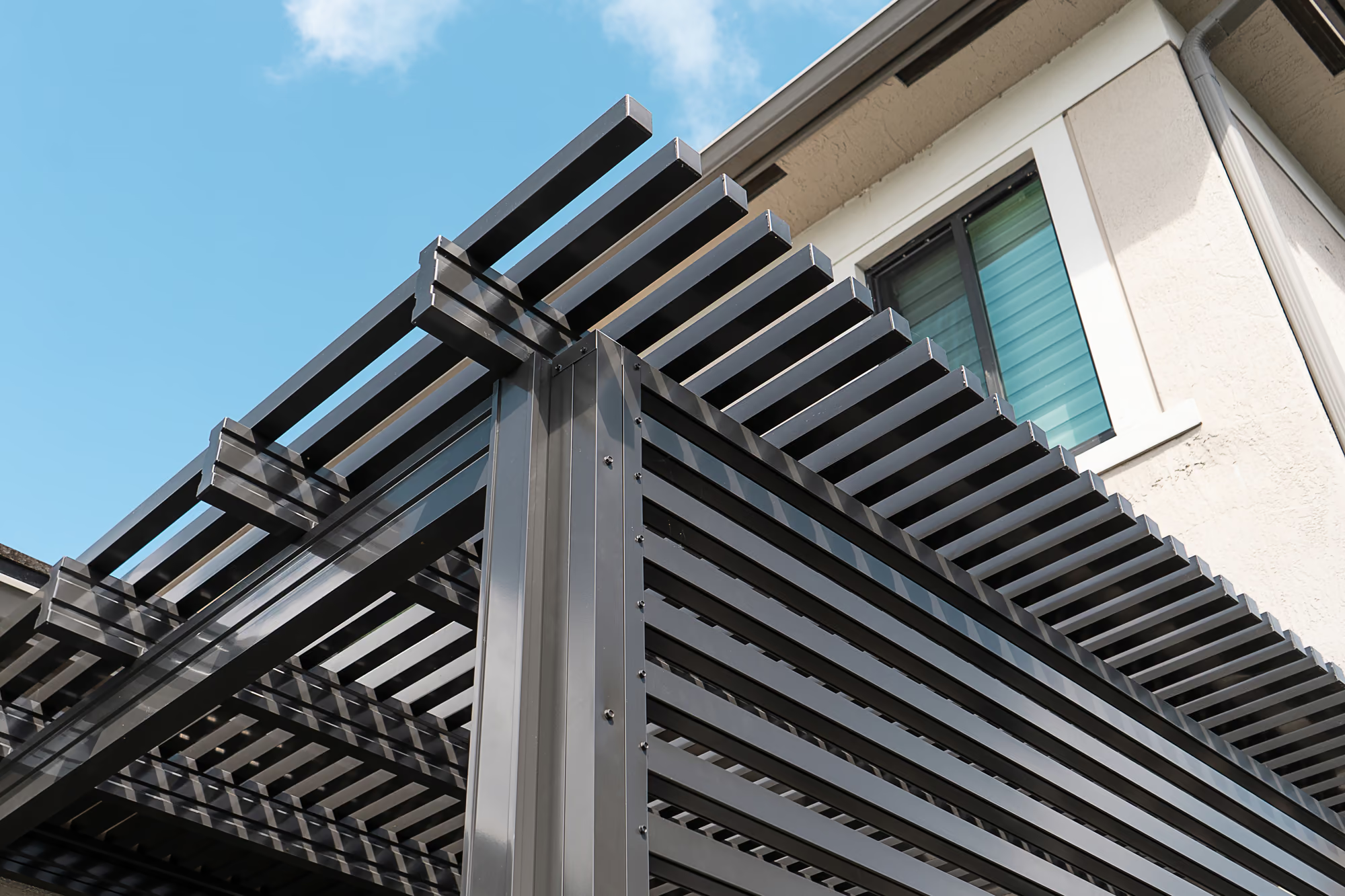
Step-by-Step: Building a Custom Pergola in South Florida
Step-by-step guide to planning and building a custom pergola in South Florida.
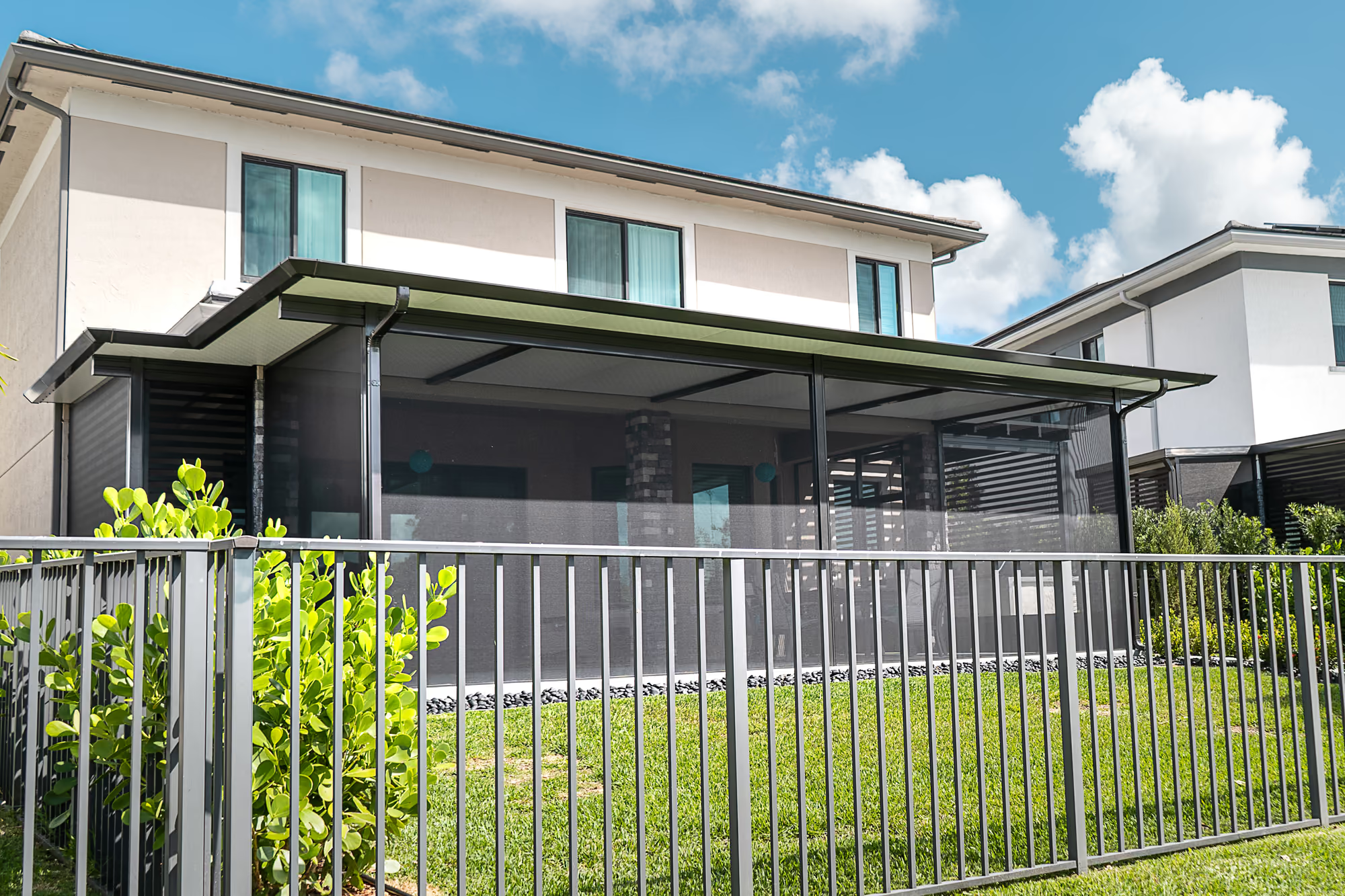
Do You Need a Permit for a Pergola in South Florida?
Permit requirements and building codes for pergolas in South Florida, Broward and Palm Beach, explained.
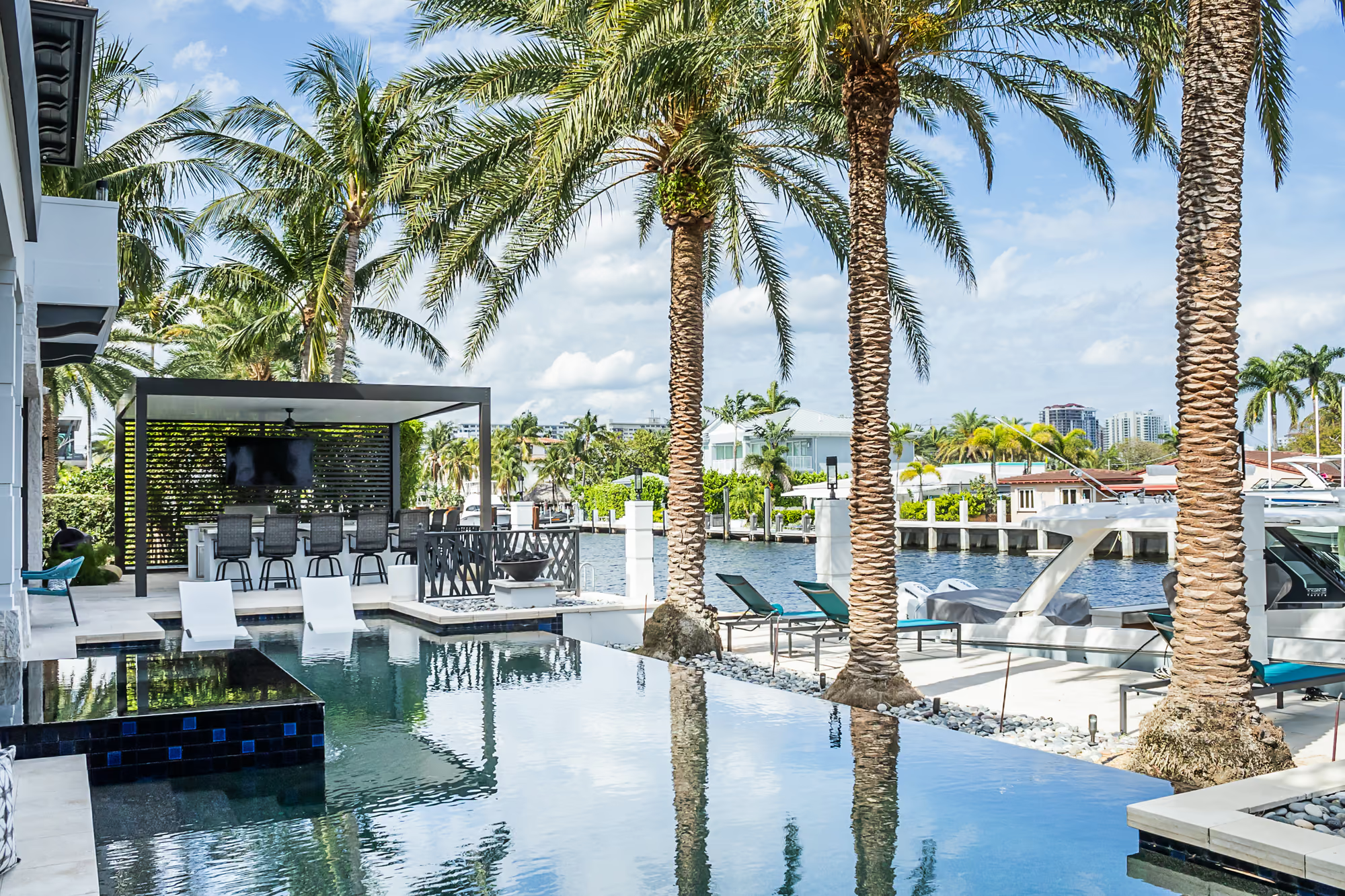
How Much Does a Pergola Cost in South Florida?
2026 pergola cost breakdown for South Florida homes.