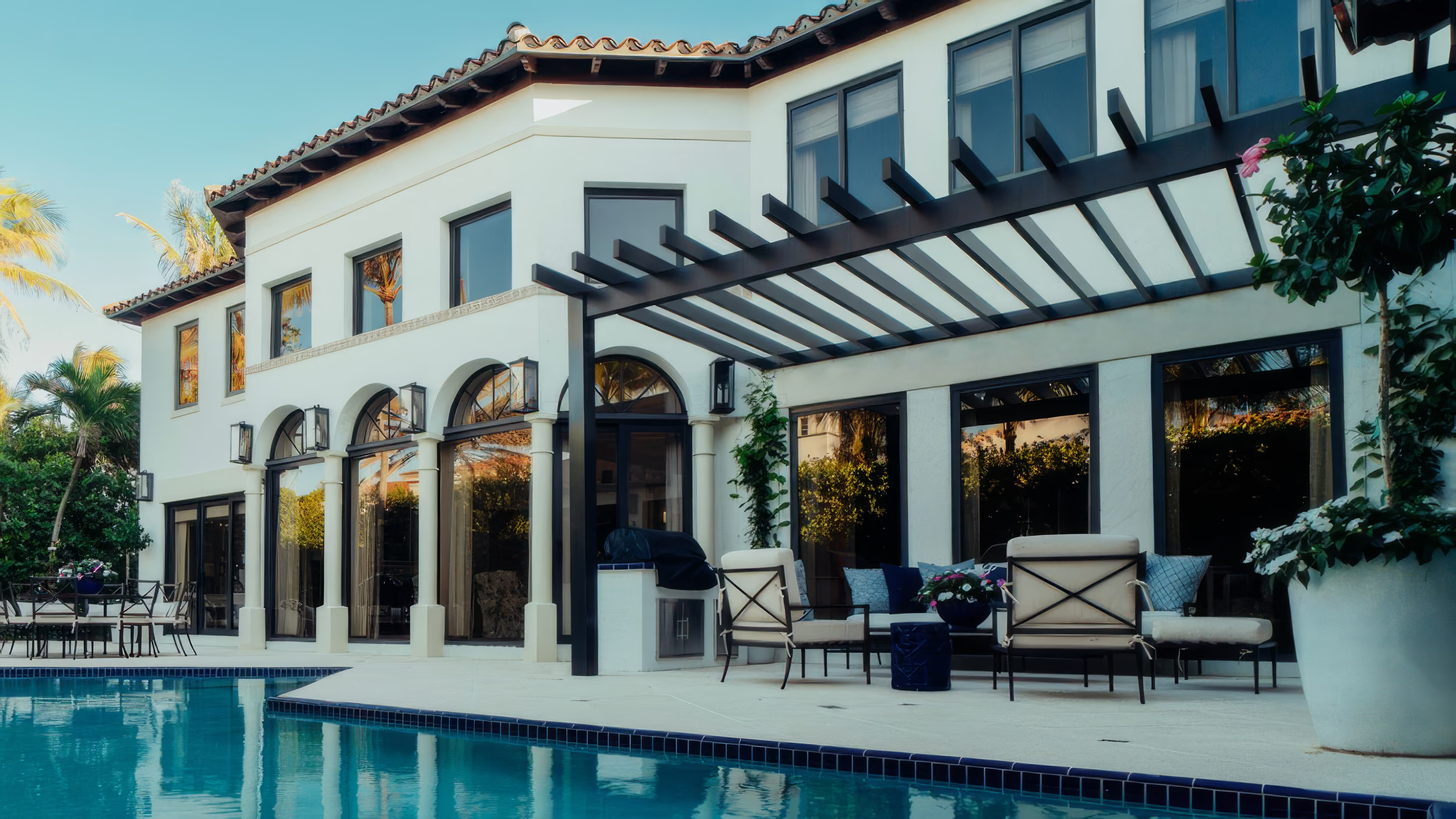
Miami-Dade NOA and the HVHZ: What Commercial Pergolas Need to Pass Code
What the High-Velocity Hurricane Zone and product approvals mean for a commercial pergola, for owners, GCs and architects.
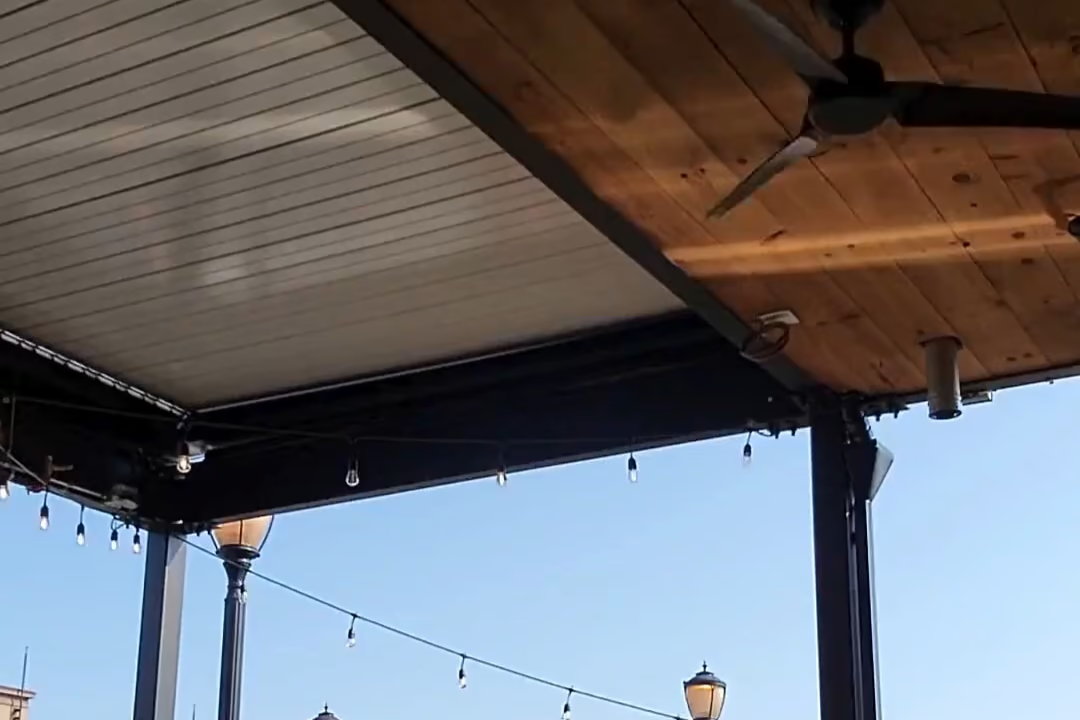
In South Florida the hardest part of a commercial pergola is often not the design but the code. Owners, general contractors and architects all ask the same questions: which approvals does the product need, what does the engineer have to show, and what changes from one county to the next?
What the HVHZ Is
The Florida Building Code defines a High-Velocity Hurricane Zone (HVHZ) that covers Miami-Dade and Broward counties. Inside it, building products and structures face stricter requirements for wind resistance and testing than in the rest of the state.
NOA and Florida Product Approval
A Miami-Dade Notice of Acceptance (NOA) is the product approval issued by Miami-Dade County after the product passes its testing protocols, and it is the best-known approval for use in the HVHZ. Outside the HVHZ, Florida Product Approval is the usual path. Ask for the approval documents of the exact system being proposed and check that they cover the size, span and use of your project.
Engineering for the Site
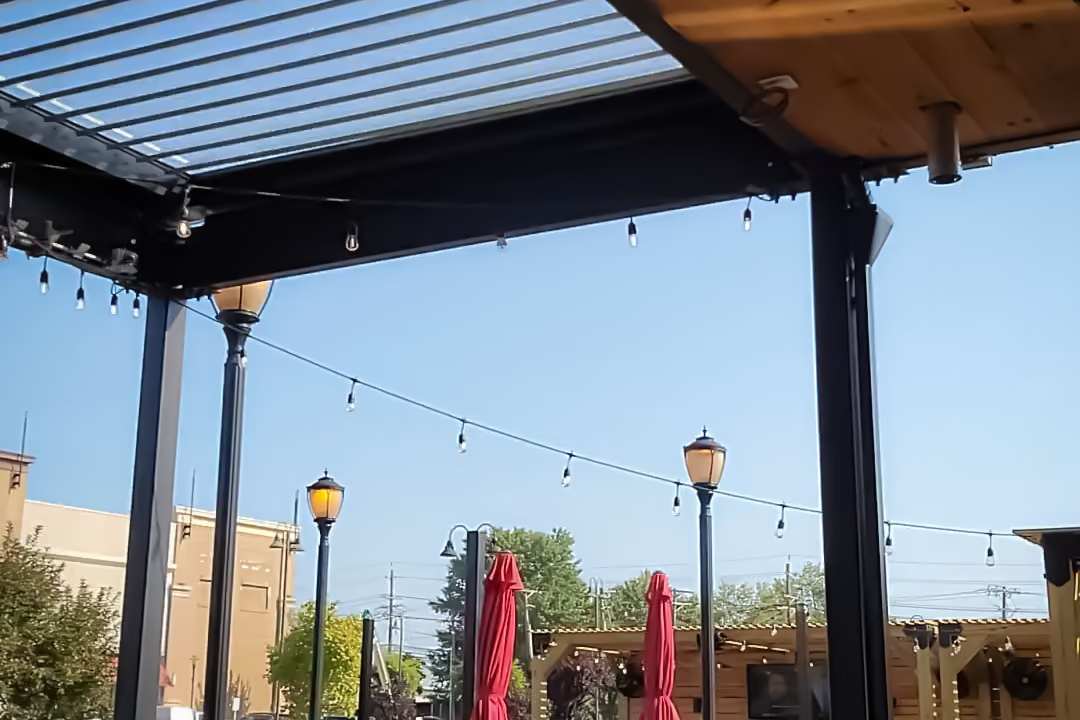
Product approval is only part of it. The structure still has to be engineered for the site: design wind speed for the location, exposure, how it attaches to the building or stands alone, and the foundations that hold it down. Permit sets for commercial pergolas are usually signed and sealed by a Florida-licensed engineer.
Palm Beach County
Palm Beach County is outside the HVHZ, but it is still a hurricane-prone region under the Florida Building Code, and wind design still drives the structure. Each city’s building department sets its own submittal checklist, so confirm it early.
A Checklist for GCs and Architects
- Product approval (NOA or Florida Product Approval) for the proposed system
- Signed and sealed structural drawings for the site
- Foundation or attachment details to the existing structure
- Electrical scope for motors, lighting, fans and heaters
- Drainage path for the roof water
We work with owners and with general contractors on the design and construction of commercial structures, and we can coordinate the documentation the permit requires.
Attached to an Existing Building
When a pergola is attached to a building, the engineer also has to show that the existing structure can take the new loads at the connection. On older buildings that can mean investigating what is inside the wall or slab before the design is final. Plan for that early on renovation projects, because it is easier to adjust the layout than to reinforce a facade.
Common Causes of Permit Delays
- Approval documents that do not cover the proposed span or configuration
- Drawings that do not match the site survey or the existing building
- Missing electrical drawings for motors, lights or heaters
- Landlord or association approvals arriving after the submittal
Each of these sends the file back for corrections. A complete first submittal is the fastest route to the permit.
Inspections and Closeout
Expect inspections at key stages, such as foundations and the finished structure, plus electrical where it applies. Keep the approved drawings and product documents on site, and keep a copy after closeout: owners, insurers and future buyers may ask for them.
Frequently Asked Questions
Is an NOA required in Palm Beach County?
Palm Beach County is outside the HVHZ, so products are commonly approved through Florida Product Approval instead. Some projects still use systems with an NOA. The building department reviewing the permit has the final word.
Key Takeaways
- Miami-Dade and Broward are in the HVHZ; Palm Beach is not
- Product approval and site engineering are two different requirements
- Check the approval documents against your project’s size and use
Need a code-ready pergola for a commercial project?
Work with a licensed and insured aluminum structure contractor serving Miami-Dade, Broward and Palm Beach County.
More on Commercial Projects
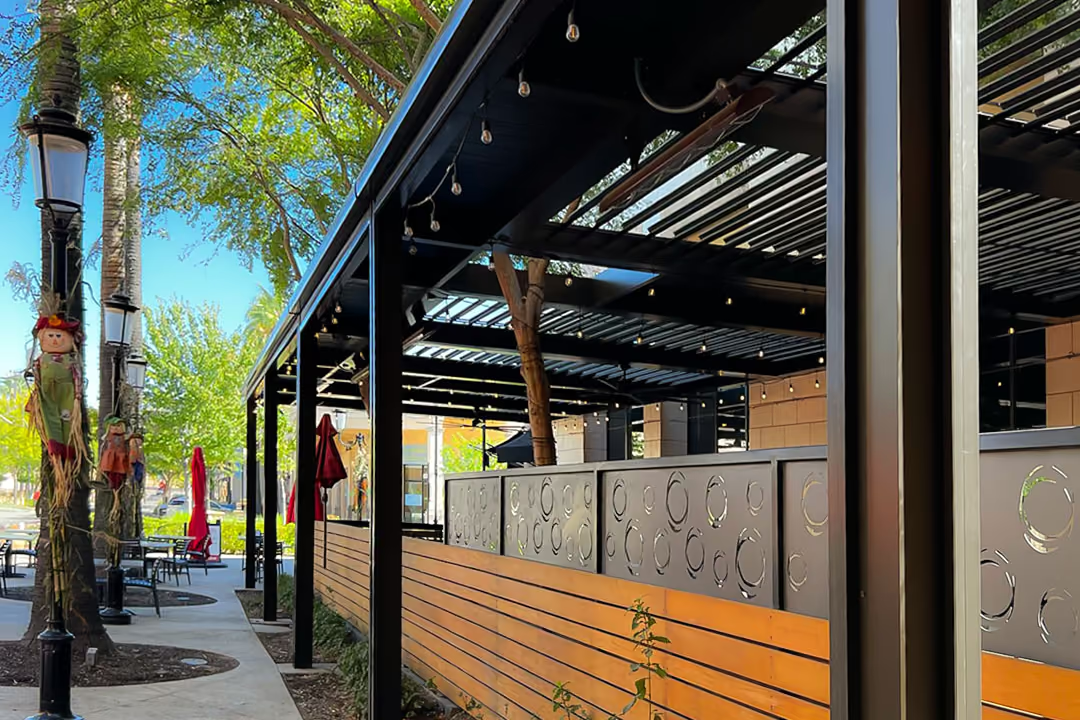
Commercial Awning vs. Louvered Pergola: Which Fits Your Business?
Fabric awnings and aluminum louvered pergolas compared for storefronts, restaurants and hotels.
Commercial Pergolas: A Buyer’s Guide for South Florida Businesses
How commercial pergolas differ from residential ones, which roof to choose and what to plan before the quote.
Commercial Pool Shade Structures for HOAs and Condos
How HOA and condo boards can plan durable shade for a shared pool deck, from options to approvals.